Billionaires Target Major Las Vegas Operators With Take-Private Acquisition Offers
Written by Morgan Powell · Jul 11, 2026

Billionaires Target Major Las Vegas Operators With Take-Private Acquisition Offers
Billionaire Tilman Fertitta submitted a $17.6 billion offer to acquire Caesars Entertainment and remove the company from public markets, while media mogul Barry Diller’s People Inc. followed with an approximately $18 billion proposal to purchase MGM Resorts International and privatize the largest Strip operator. These parallel moves, reported in mid-2026, align with an expanding pattern of take-private transactions across the gaming sector.
Details of the Proposed Transactions
Fertitta’s bid targets Caesars Entertainment through a structure that would convert the publicly traded entity into a privately held business, and Diller’s People Inc. outlined terms for MGM Resorts International that similarly emphasize full ownership outside Wall Street oversight. Both proposals remain subject to regulatory review before any completion can occur, with approval processes expected to examine ownership qualifications, financial stability, and compliance standards under Nevada gaming statutes.
The timing of these offers places them within a concentrated period of activity during July 2026, when several large-scale casino groups have drawn attention for similar privatization strategies. Industry observers have tracked how such deals often involve substantial equity commitments from individual investors or holding companies seeking greater operational flexibility once public reporting requirements are lifted.
Regulatory Pathway and Nevada Oversight
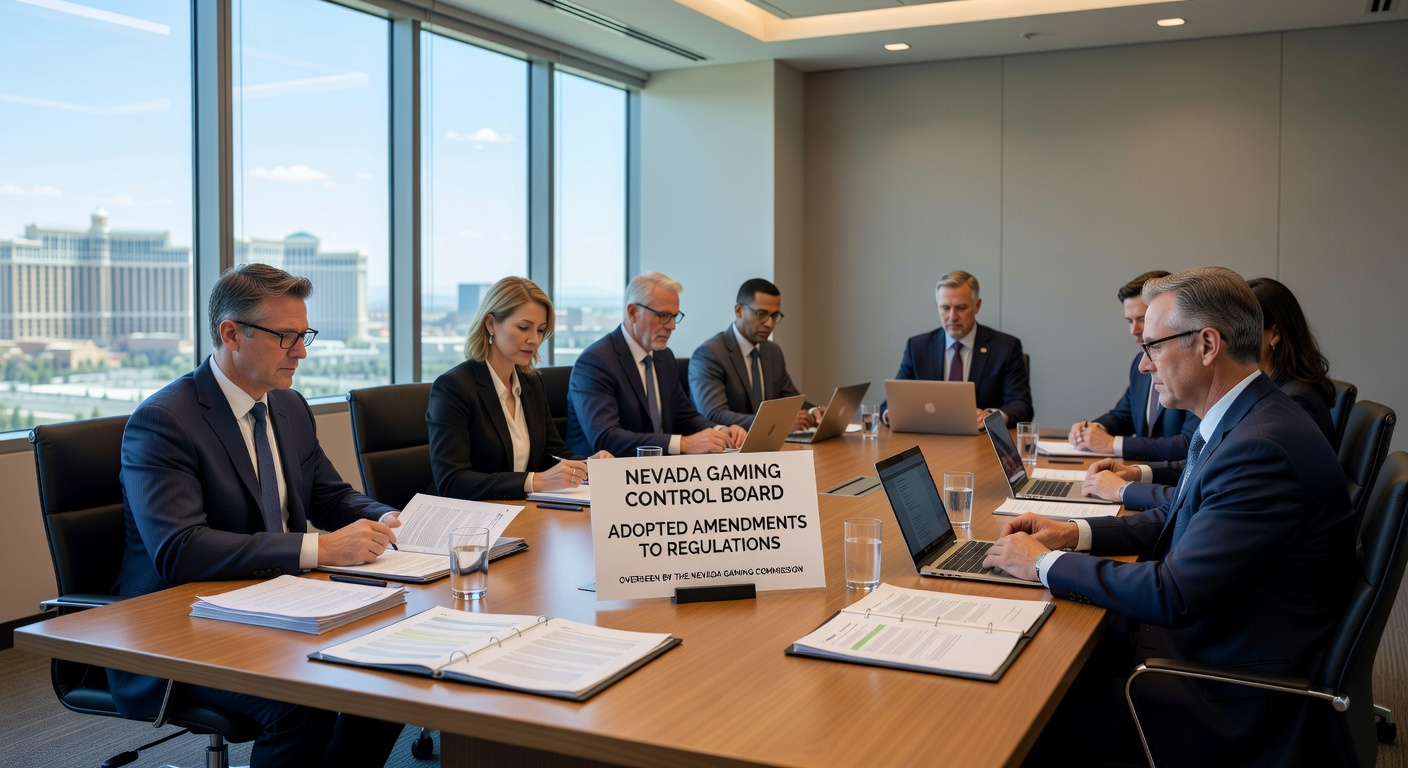
Nevada gaming regulators, including the Nevada Gaming Control Board and the Nevada Gaming Commission, hold primary responsibility for reviewing any change in ownership for companies holding state licenses. The review process requires submission of detailed financial disclosures, background investigations on key principals, and assessments of whether the new structure maintains the integrity of gaming operations across the state.
Officials at the Nevada Gaming Control Board have previously handled comparable ownership transitions, and those precedents indicate that timeline projections for decisions on transactions of this scale typically extend several months while investigators complete suitability determinations. Any conditions attached to approvals would focus on maintaining responsible gaming standards and continued investment in property operations.
Nevada Gaming Control Board licensing guidelines outline the specific documentation required for such ownership changes, while the American Gaming Association tracks broader industry shifts in corporate structures.Industry Context for Take-Private Activity
Take-private transactions in gaming have accelerated as operators evaluate alternatives to quarterly earnings pressures and public market volatility. Data compiled by industry analysts shows that several mid-sized and large casino companies have pursued similar paths since 2024, citing advantages in long-term capital planning and reduced disclosure obligations.
Las Vegas properties represent a significant portion of the market capitalization involved in these discussions, and the combined value of the Fertitta and Diller proposals exceeds $35 billion. MGM Resorts International operates multiple major resorts along the Strip, while Caesars Entertainment maintains a portfolio that includes both gaming and hospitality assets in Nevada and other jurisdictions.
Those who monitor corporate filings note that privatization often allows management teams to focus on multi-year development projects without the need to address short-term stock performance metrics. The current proposals would, if completed, concentrate ownership of two of the Strip’s largest operators under private control, potentially influencing future expansion decisions and partnership arrangements.
Market and Operational Implications
Analysts following gaming equities have documented how privatization removes companies from daily trading activity and shifts emphasis toward internal performance benchmarks. For properties on the Las Vegas Strip, this transition could affect vendor relationships, labor agreements, and capital expenditure schedules as ownership groups gain direct authority over strategic priorities.
Both offers include commitments to maintain existing operations and employment levels during the transition period, according to preliminary statements released alongside the proposals. Regulators will evaluate these commitments as part of the broader suitability review before issuing final determinations on license transfers.
Conclusion
The simultaneous proposals from Fertitta and People Inc. represent the latest developments in a sustained movement toward private ownership structures within major gaming companies. As regulatory reviews proceed through Nevada authorities and other jurisdictions, the outcomes will determine whether Caesars Entertainment and MGM Resorts International join the growing list of operators no longer listed on public exchanges. Industry participants continue to monitor filing deadlines and investigation progress throughout the remainder of 2026.