Decoding How Shifting Data Privacy Rules Reshape Stacking Options for New Users in Virtual Reel Platforms
Written by Mara Keller · Aug 13, 2026
Decoding How Shifting Data Privacy Rules Reshape Stacking Options for New Users in Virtual Reel Platforms
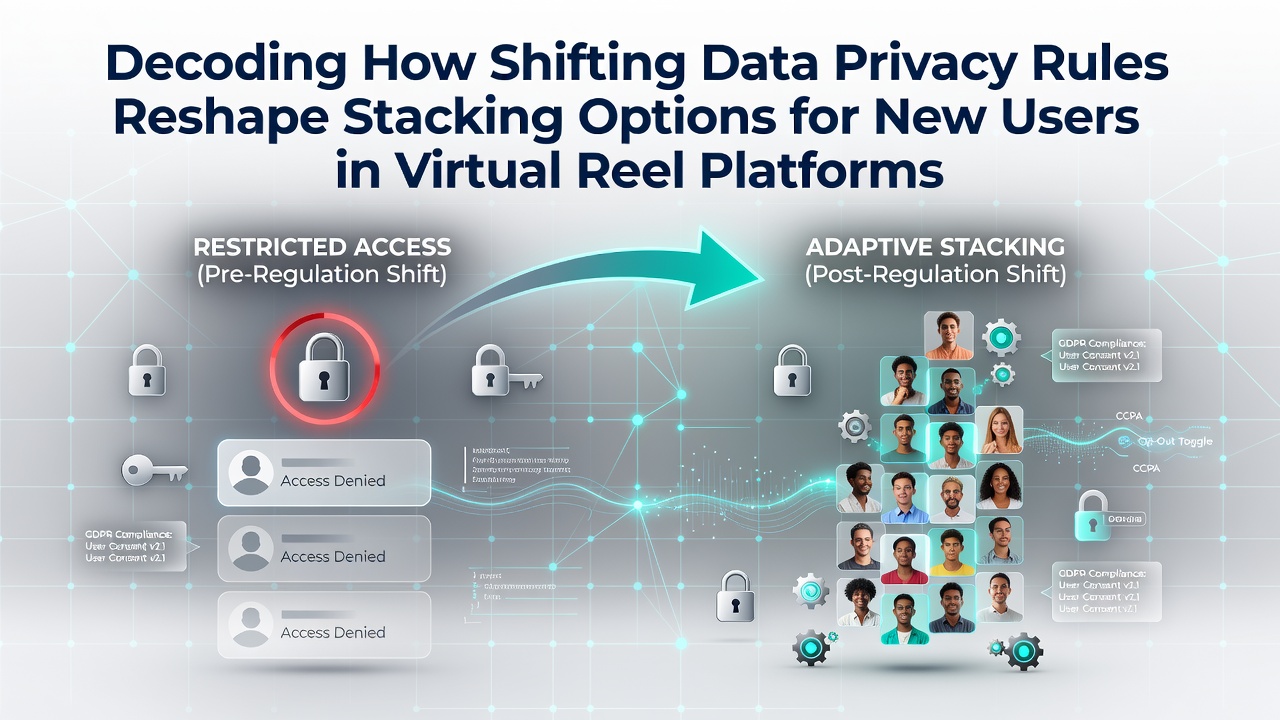
Virtual reel platforms have seen data privacy regulations evolve rapidly, and these changes directly influence how new users access stacked incentives such as combined welcome offers, loyalty tier progressions, and multiplier unlocks. In August 2026 regulators across multiple jurisdictions updated consent requirements for behavioral tracking, forcing operators to adjust onboarding sequences that previously relied on automatic data collection to personalize reward stacks.
Research from industry reports shows that platforms must now secure explicit user approval before linking deposit patterns with bonus eligibility, a shift that limits pre-approved stacking for first-time players. Experts note that this adjustment stems from broader enforcement of laws similar to the California Consumer Privacy Act expansions and European data protection updates, both of which emphasize granular control over personal information used in gaming ecosystems.
Regulatory Landscape Driving Platform Adjustments
Observers track how privacy frameworks in different regions create distinct compliance layers for virtual reel operators. California’s updated rules, effective mid-2026, require clear opt-in mechanisms before platforms can combine user session data with progressive prize pool contributions, while Australian privacy guidelines push for similar transparency around loyalty program data flows. These requirements mean new users encounter consent screens earlier in registration, and operators respond by redesigning how welcome bonuses stack with subsequent free spin tiers.
Data from gaming associations indicates that platforms operating across borders must maintain separate data handling protocols, which in turn fragments the seamless stacking experiences once available to new accounts. One study revealed that operators who integrated these consent flows early reported measurable drops in automatic reward layering for first deposits, prompting development of alternative incentive structures that rely less on continuous tracking.
Effects on New User Onboarding and Reward Stacking
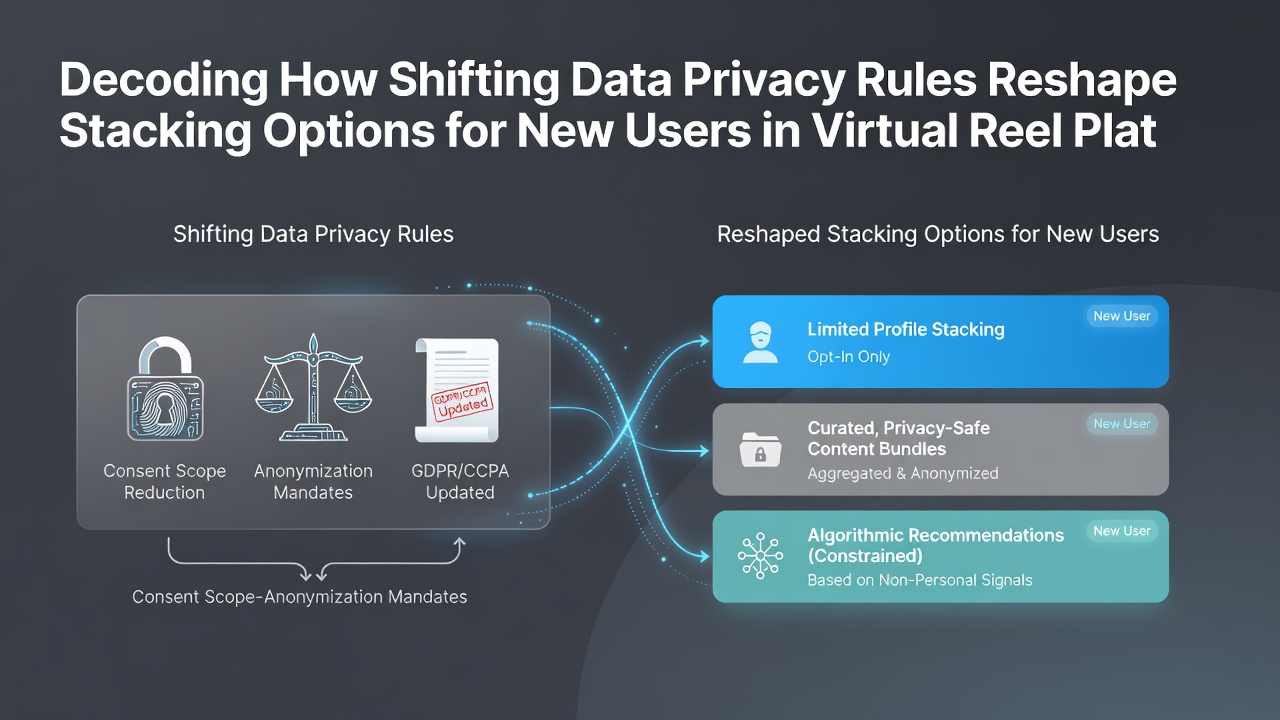
Platforms have modified registration paths so that new users decide data sharing preferences before any bonus offers appear. This sequence prevents automatic enrollment into stacked programs that previously combined deposit matches with loyalty points and reel multiplier access. According to figures released by regulatory bodies, the change has led operators to introduce modular stacking options where users manually select which reward layers activate based on their chosen privacy settings.
Turns out these modular systems still allow combinations, yet they require separate confirmations for each layer rather than a single acceptance. Researchers discovered that new users who opt into full tracking often regain access to traditional stacking sequences, while those selecting minimal data sharing receive flatter incentive structures with fewer simultaneous bonuses. The reality is that this bifurcation has become standard practice as platforms align with August 2026 enforcement deadlines.
Regional Variations in Implementation
North American operators face different pressures than their European counterparts because state-level privacy statutes vary in scope. Platforms serving users in multiple U.S. states now maintain region-specific reward catalogs that reflect local consent standards, and this approach has produced noticeable differences in how new accounts accumulate layered benefits. A report from a Canadian gaming research institute highlighted that operators using unified systems experienced compliance friction, leading many to adopt segmented stacking menus instead.
European platforms, governed by stricter data minimization principles, tend to default new users into limited tracking modes that restrict cross-feature reward combinations. Those who’ve studied these patterns observe that operators compensate by offering standalone high-value bonuses that do not depend on ongoing behavioral data, preserving some incentive depth without violating consent rules. The ball remains in each jurisdiction’s court as enforcement continues through late 2026.
Technical Adaptations and User Experience Shifts
Developers have introduced privacy-first APIs that let platforms query reward eligibility without storing identifiable session histories, and these tools support stacking calculations based on aggregated rather than individual data. Evidence suggests this technical pivot maintains functional stacking for new users while satisfying regulatory demands for reduced personal data retention. Industry organizations tracking adoption rates note that platforms implementing these APIs early encountered fewer interruptions when rolling out updated incentive programs in August 2026.
Case examples show that virtual reel applications now prompt users to review privacy choices at multiple touchpoints, including after the first deposit and again when unlocking higher loyalty tiers. This repeated consent process ensures ongoing compliance yet adds steps that some new users navigate differently depending on their preferred reward depth. Researchers discovered that segmented consent flows correlate with higher completion rates for basic stacking options compared with all-or-nothing permission models used previously.
Conclusion
Shifting data privacy rules continue to reshape stacking mechanics for new users across virtual reel platforms, with operators adapting through modular consent systems, region-specific catalogs, and privacy-preserving technical solutions. Figures reveal sustained innovation in how platforms present layered incentives without relying on unrestricted data collection. Those monitoring developments expect further refinements as additional jurisdictions finalize 2026 enforcement frameworks, yet the core connection between consent choices and reward combinations remains firmly established in current practice.