Device Compatibility Factors Shaping Layered Reward Access in Portable Progressive Reel Environments
Written by Casey Wagner · Jul 2, 2026
Device Compatibility Factors Shaping Layered Reward Access in Portable Progressive Reel Environments
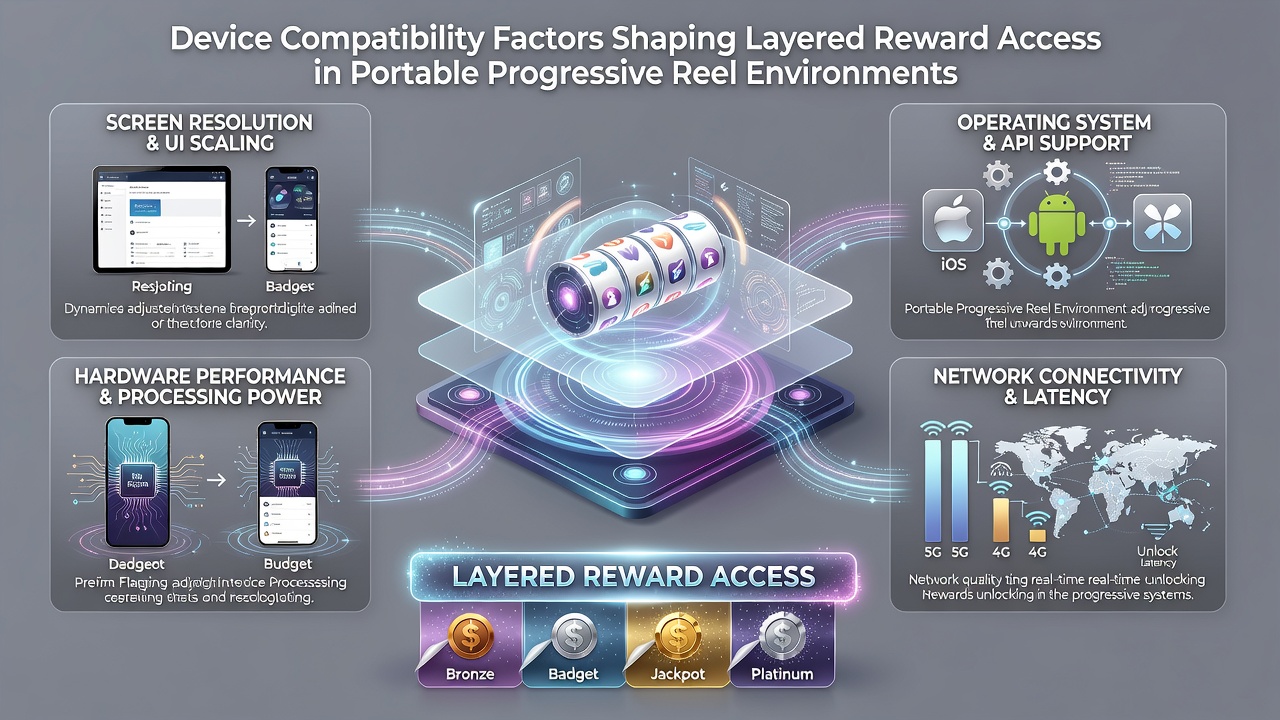
Device compatibility plays a central role in determining how players gain access to layered reward systems within portable progressive reel environments, where hardware specifications and software configurations directly influence bonus stacking, progressive meter visibility, and feature unlock sequences. Research indicates that variations in operating systems, processor capabilities, and display resolutions create distinct pathways for reward access, particularly as mobile gaming platforms expand their integration with real-time jackpot contributions.
Studies from industry observers show that devices running older Android versions often encounter delays in rendering multi-tier reward interfaces, whereas newer iOS builds maintain smoother synchronization with progressive pools. This difference becomes evident when users attempt to stack loyalty multipliers alongside no-deposit features, since compatibility gaps can restrict access to higher reward layers until the system completes verification checks.
Operating System and Version Impacts
Platform-specific requirements shape reward delivery in significant ways, because Android fragmentation across manufacturers leads to inconsistent performance during progressive reel sessions. Data from July 2026 updates reveals that devices on Android 13 and later support enhanced API calls for layered incentive systems, allowing faster trigger rates for bonus rounds compared to devices stuck on earlier releases. Those who monitor these patterns note that iOS users frequently report stable access to tiered loyalty benefits, while cross-platform developers adjust code to bridge gaps for broader device coverage.
Compatibility testing protocols at major studios highlight how version mismatches affect the frequency of multiplier unlocks, with some environments requiring minimum OS thresholds before full reward layers activate. Observers note that regulatory filings in various jurisdictions track these technical thresholds to ensure fair play standards remain consistent across user bases.
Hardware Specifications and Performance Thresholds
Processor speed and available RAM determine whether portable devices can handle the computational load of simultaneous progressive tracking and reward layering without interruptions. Equipment with higher core counts processes reel animations and jackpot contributions more efficiently, which in turn supports uninterrupted stacking of layered incentives during extended play sessions. Research from gaming technology reports indicates that mid-range devices from 2025 onward handle these demands better than older models, reducing instances where reward access gets throttled due to performance bottlenecks.
Memory constraints also influence how many active progressive pools a device can monitor at once, because limited RAM forces applications to prioritize certain reward layers over others. Experts have observed that flagship models maintain full visibility across all tiers, whereas budget devices may display simplified interfaces that limit player interaction with deeper bonus structures.
Display Resolution and Interface Adaptations
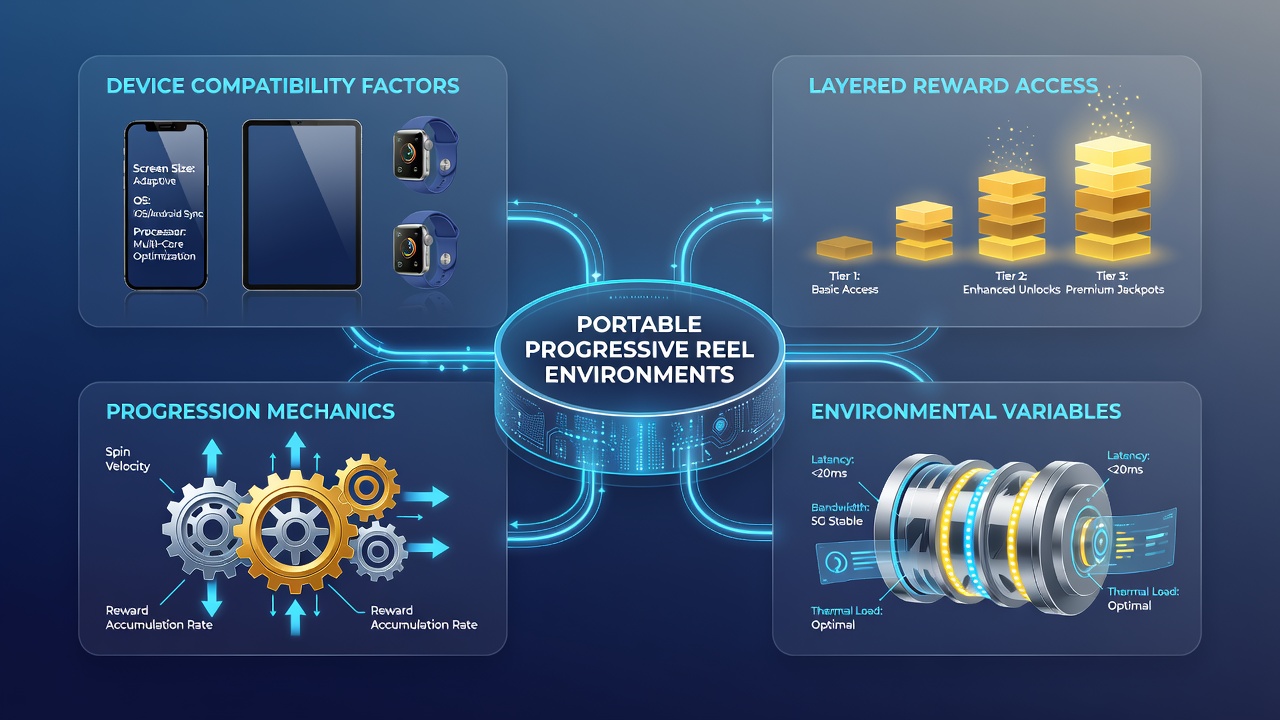
Screen size and pixel density affect the presentation of progressive meters and layered reward indicators, since smaller displays compress multiple data points into limited space. Higher resolution screens render detailed jackpot trackers without overlap, enabling users to track contributions across several prize pools simultaneously. Findings from device compatibility analyses show that resolutions below standard thresholds often require scaled-down visuals, which can obscure certain reward layers until users adjust settings or rotate the device.
Interface scaling algorithms adapt content based on detected hardware, yet inconsistencies arise when aspect ratios deviate from common mobile standards. Those analyzing user data note that tablets sometimes provide expanded views of layered incentives that smartphones compress, creating different access experiences depending on the chosen portable environment.
Integration with Payment and Verification Systems
Secure element chips and biometric authentication modules within devices influence how quickly players complete verification steps required for accessing higher reward tiers. Compatible hardware supports faster transaction processing that feeds directly into progressive accumulation, whereas less capable devices introduce delays that affect real-time bonus eligibility. Reports from payment processing studies link these hardware features to improved trigger frequencies for reward layers in application-driven platforms.
Regional regulatory bodies, including those tracked by the Canadian Gaming Association, document how device-level security standards align with layered incentive protocols to maintain compliance across portable systems. Similar patterns appear in analyses from the American Gaming Association, which connect hardware compatibility metrics to overall reward distribution efficiency in mobile ecosystems.
Conclusion
Device compatibility continues to define the boundaries of layered reward access in portable progressive reel environments through interconnected factors of software versions, hardware performance, and display capabilities. As platforms evolve in July 2026 and beyond, these elements determine how evenly players experience bonus stacking and jackpot participation across diverse equipment. Ongoing adjustments by developers and regulators ensure that technical thresholds support consistent reward delivery while accommodating the expanding range of portable devices in use.