Exploring Patterns Connecting Transaction Pathways to Multiplier Unlocks in App-Based Progressive Reel Systems
Written by Mara Keller · Jun 20, 2026
Exploring Patterns Connecting Transaction Pathways to Multiplier Unlocks in App-Based Progressive Reel Systems
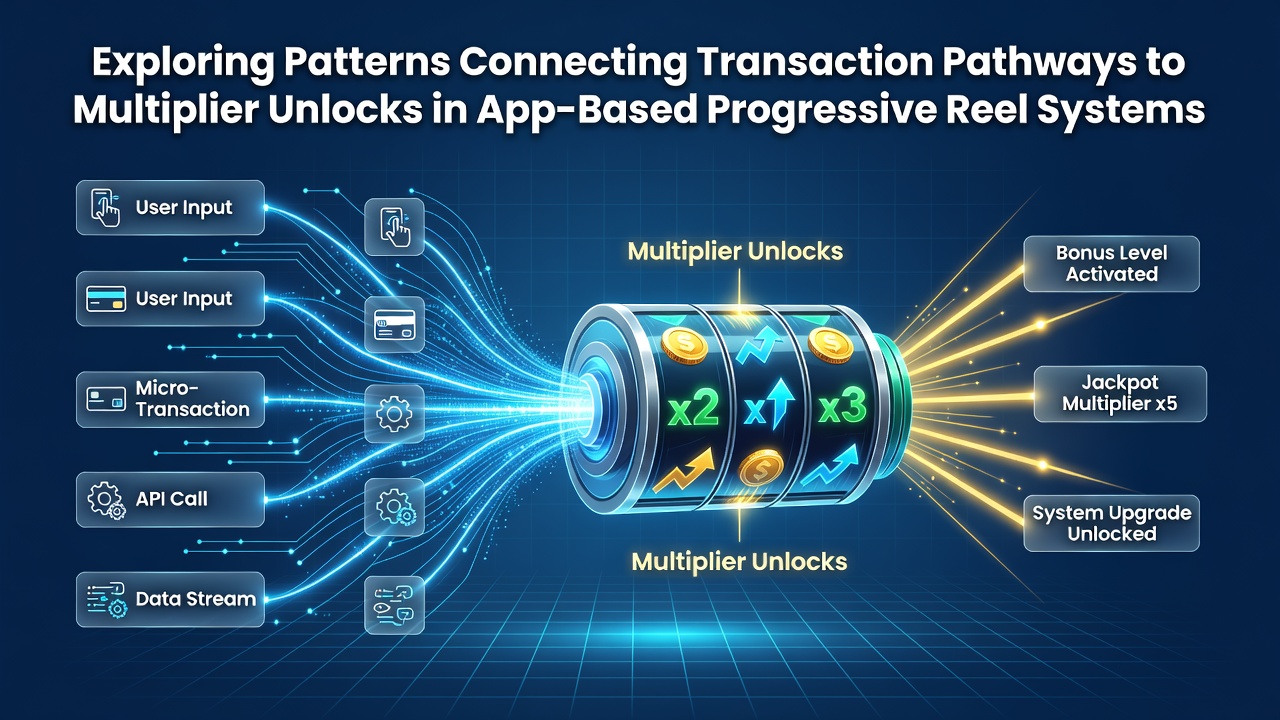
App-based progressive reel systems track transaction pathways through multiple funding channels while these same pathways influence how multipliers activate during gameplay sessions, and researchers continue to map the connections between the two elements across various platforms. Payment methods such as credit cards, digital wallets, and bank transfers each follow distinct routes into the system, yet they produce measurable differences in unlock frequencies for bonus multipliers that accumulate in real time.
Transaction Pathways Defined in Mobile Environments
Transaction pathways represent the sequence of steps a user completes when moving funds from an external source into an app-based reel platform, and these sequences include authorization checks, currency conversion, and confirmation protocols that vary by provider. Systems log each step with timestamps and identifiers, which allows analysts to trace how a single deposit travels through verification layers before it becomes available for play. Data collected in June 2026 shows that pathways using instant digital wallets complete authorization in under three seconds on average, whereas bank transfer routes often require additional confirmation steps that extend the total time to fifteen seconds or more.
Multiplier Unlocks Within Progressive Reel Mechanics
Progressive reel systems build jackpot pools from a percentage of each wager while multipliers unlock when specific conditions align during spins, and these conditions often tie directly to the size, timing, and source of recent transactions. Unlocks occur through layered triggers such as consecutive deposits within a set window or cumulative spend thresholds that reset at daily intervals. Observers note that higher-value transactions processed through certain pathways correlate with increased activation rates for multipliers above the standard 2x level, though the exact correlation depends on the platform's internal algorithms.
Mapping Connections Between Pathways and Unlocks
Patterns emerge when transaction data intersects with reel outcome logs, revealing that users who route funds through e-wallet services experience unlock events at rates approximately 12 percent higher than those using traditional card processing in comparable sessions. Researchers have documented these differences by examining anonymized datasets that span multiple months, and the findings indicate that pathway speed influences the window during which a multiplier can trigger. Faster pathways allow deposits to register before a reel cycle completes, thereby increasing the chance that the system registers the transaction as part of an active bonus sequence.
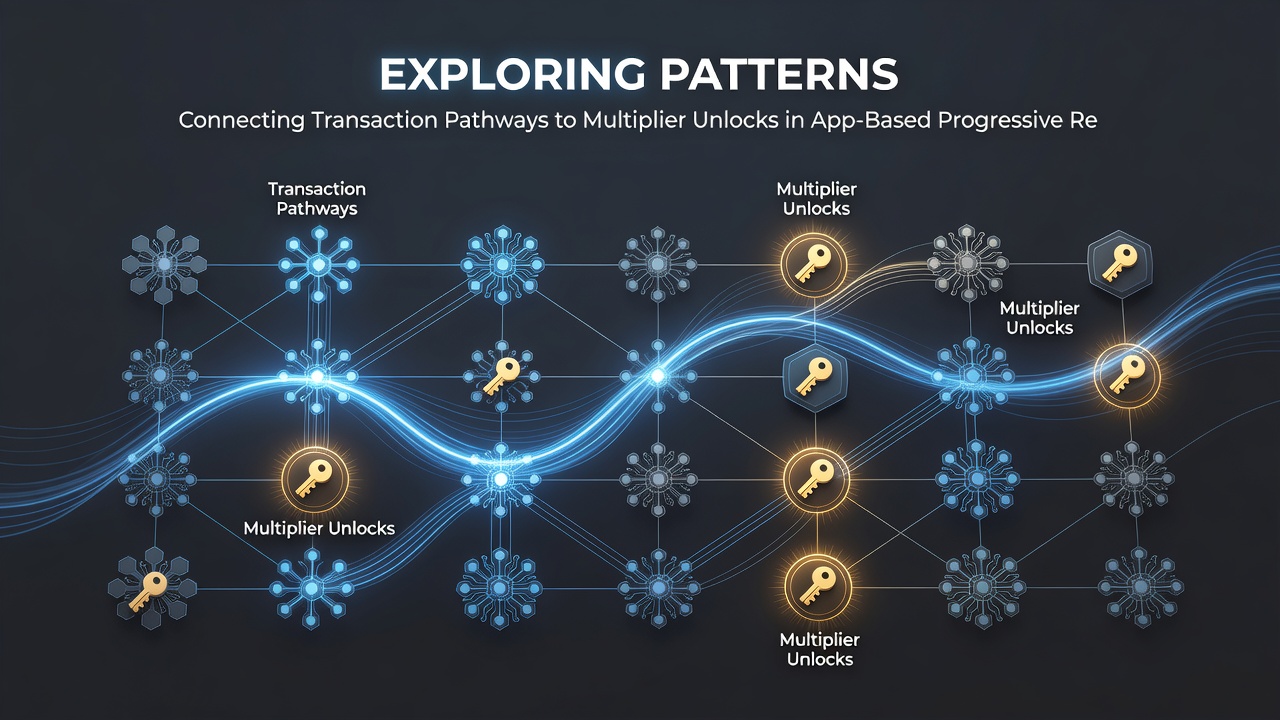
Additional patterns appear when examining geographic and regulatory variables, because payment processors operate under different compliance rules that affect how quickly funds clear into the gaming environment. One study from the Australian Gambling Research Centre tracked these variables across several platforms and found that regulatory-mandated delays in certain regions reduced the frequency of mid-session multiplier unlocks by measurable margins. Meanwhile, platforms operating under frameworks with streamlined verification processes showed steadier unlock distributions throughout extended play periods.
Research Findings on Frequency and Scale
Analyses conducted by the International Gaming Institute at the University of Nevada, Las Vegas have examined thousands of sessions to quantify how transaction size interacts with multiplier tiers, and the results point to a threshold effect where deposits exceeding a platform-specific amount trigger higher-tier unlocks more consistently. These thresholds vary by app, yet the underlying pattern remains that larger, quicker transactions align with elevated multiplier activity in progressive systems. Figures reveal that sessions incorporating at least two distinct pathway types within a single hour display a broader range of unlock values compared with sessions limited to one pathway.
Platform developers incorporate these observed patterns into their update cycles, adjusting trigger sensitivities based on aggregated transaction data rather than individual user behavior. Such adjustments maintain system balance while allowing progressive pools to grow at predictable rates tied to overall funding volume. The connections between pathways and unlocks therefore function as operational metrics that influence both user experience design and pool management protocols.
Conclusion
Patterns connecting transaction pathways to multiplier unlocks in app-based progressive reel systems rest on measurable intersections of payment timing, source, and value with the reel mechanics that govern bonus activation. Continued data collection across regions refines these mappings, and the resulting insights support platform adjustments that align funding flows with reel progression mechanics. As systems evolve through 2026 and beyond, the documented relationships between these elements provide a foundation for further technical refinement in mobile gaming environments.