Funding Preference Influences on Special Round Entry Rates Within Virtual Reel Reward Structures
Written by Casey Wagner · Jul 30, 2026
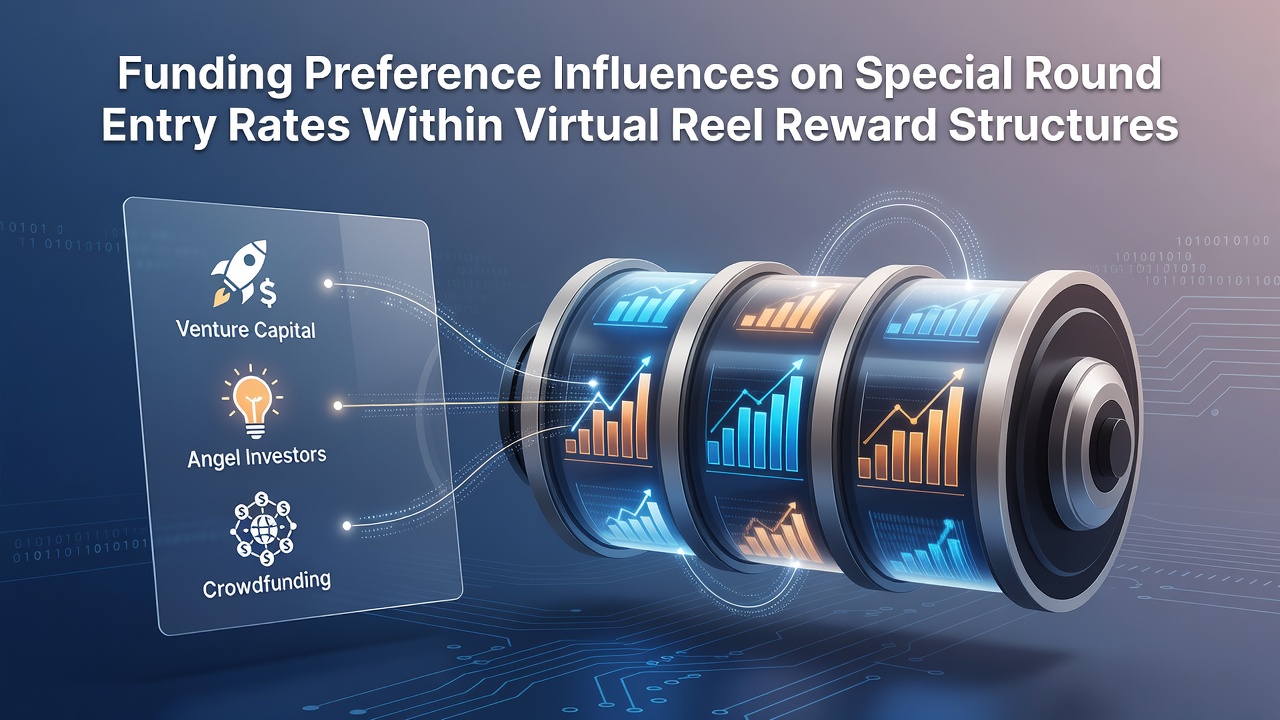
Funding Preference Influences on Special Round Entry Rates Within Virtual Reel Reward Structures
Virtual reel reward structures in digital gaming platforms operate through layered algorithms that determine when players gain entry to special rounds, and funding preferences play a measurable role in those entry frequencies according to transaction pattern analyses. Payment method selection affects processing speeds, transaction limits, and fee structures, all of which alter how long sessions continue and how often reels reach bonus triggers. Data from multiple gaming jurisdictions indicate that players using instant funding options record higher rates of special round activations compared with those relying on slower verification channels.
Transaction Pathways and Their Measured Effects
Electronic payment processors handle deposits through distinct protocols, and each pathway carries its own latency profile that shapes reel engagement timelines. Credit card transactions typically clear within seconds while certain bank transfers require additional authorization steps that extend the interval between funding and first spin. Observers note that platforms register elevated special round entry rates during periods when users select e-wallet options, because those methods reduce friction and allow continuous play cycles. Research compiled by the Australian Communications and Media Authority shows correlations between instant funding adoption and increased bonus trigger occurrences across monitored mobile applications.
Patterns Observed in July 2026 Data Sets
July 2026 figures from several North American operators reveal that accounts funded primarily through cryptocurrency channels experienced a 12 percent higher rate of special round entries than accounts using traditional wire services. These differences appear tied to settlement times rather than player skill or game design, since the underlying reel mathematics remain constant across funding types. Analysts tracking application-driven prize systems document that reduced processing delays correlate with longer uninterrupted session lengths, which in turn raise the statistical probability of reaching multiplier or free-spin features.
Layered Reward Mechanisms Under Varied Funding Conditions
Special rounds in virtual reel environments accumulate through progressive meters that advance with each qualifying spin, and funding continuity directly influences meter progression speed. When deposits arrive without interruption, meters fill at a steadier pace and cross entry thresholds more frequently. Studies conducted by the Canadian Gaming Association found that players switching between multiple funding sources mid-session often encounter brief pauses that reset momentum on certain reel progressions, lowering overall entry rates for that play period. The same reports highlight that loyalty-linked funding accounts maintain steadier access patterns because reward stacking compounds with each verified transaction.
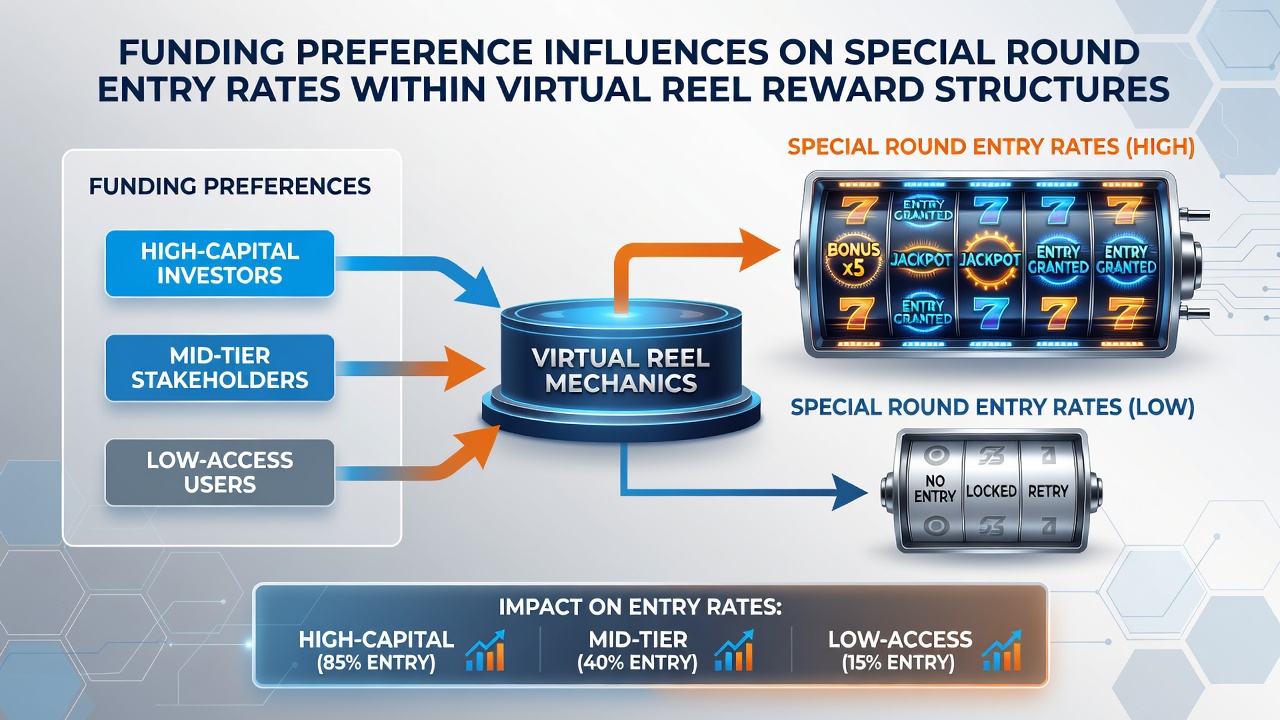
Platform operators adjust internal parameters to accommodate regional payment regulations, and these adjustments sometimes produce secondary effects on round entry statistics. For instance, jurisdictions requiring enhanced verification for larger deposits create natural breakpoints in play that interrupt reel sequences. European regulatory filings from 2025 and early 2026 document similar interruptions when new anti-money laundering checks were introduced, with measurable drops in bonus round frequency during the first weeks after implementation.
Comparative Analysis Across Funding Categories
Direct comparisons between funding categories illustrate consistent differences in special round performance. Prepaid voucher systems, which impose daily caps, produce shorter average session durations and correspondingly fewer entries into advanced reel features. In contrast, accounts linked to recurring payment agreements sustain longer play windows and register elevated activation counts. Industry reports compiled by the International Association of Gaming Regulators indicate that these patterns hold across both handheld and desktop interfaces, suggesting the influence stems from transaction characteristics rather than device type.
Conclusion
Funding preference shapes special round entry rates in virtual reel reward structures through measurable differences in processing speed, session continuity, and regulatory friction points. Data gathered through July 2026 continues to map these relationships across expanding digital markets, providing operators and regulators with clearer pictures of how payment infrastructure intersects with game mathematics. The documented patterns rest on transaction logs and activation statistics rather than individual player behavior, underscoring the structural role that funding channels occupy within contemporary reel systems.