How Cross-Border Banking Protocols Shape Spin Allocation Rates in Virtual Reel Networks
Written by Elena Wolf · Aug 22, 2026

How Cross-Border Banking Protocols Shape Spin Allocation Rates in Virtual Reel Networks
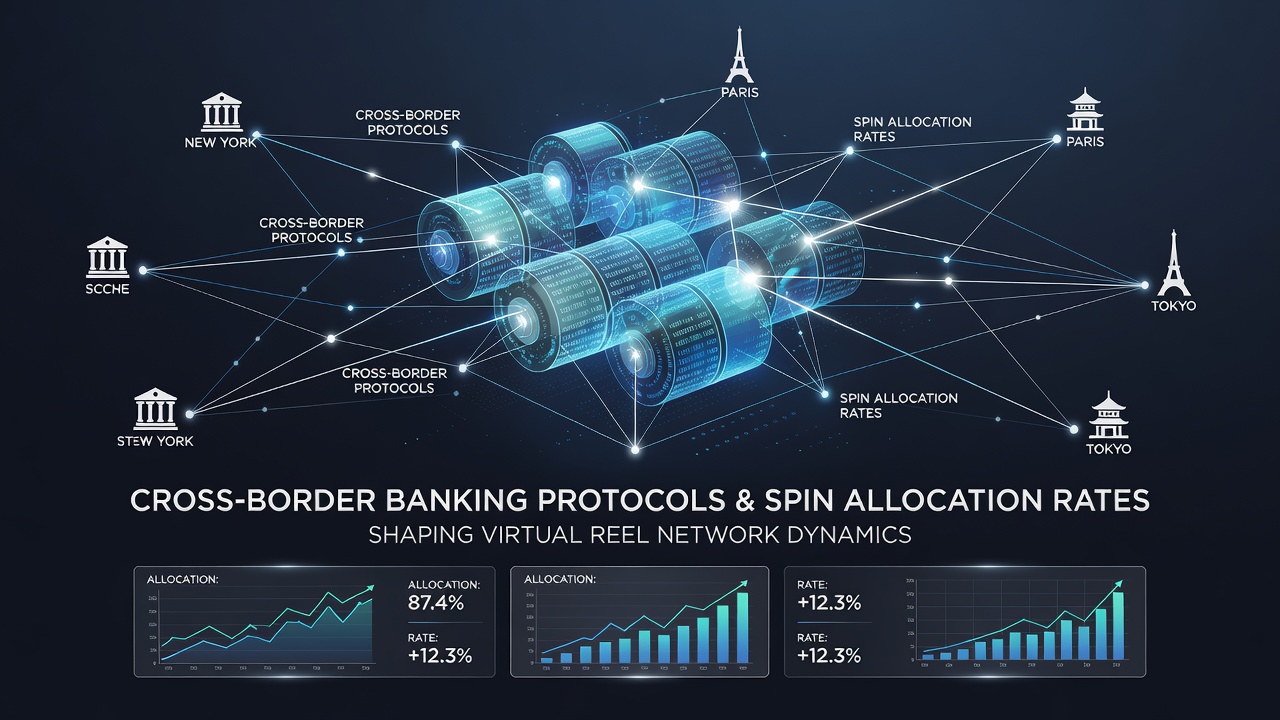
Cross-border banking protocols establish the framework for fund transfers across jurisdictions, and these rules directly affect how virtual reel networks allocate spins to player accounts. Protocols such as anti-money laundering requirements and payment messaging standards determine verification timelines, which in turn control the release of credits for reel spins in digital platforms. Data from international financial oversight bodies shows that compliance checks add processing layers that alter allocation frequencies in networked slot systems.
Core Banking Standards and Their Reach
Financial institutions follow directives from organizations like the Financial Action Task Force when handling cross-border transfers, and these standards require enhanced due diligence on transactions that fund gaming accounts. Such requirements create checkpoints where funds pause before conversion into spin credits within virtual reel environments. Observers note that delays at these checkpoints reduce immediate spin availability, particularly when multiple currency conversions occur in a single session.
Payment systems like SWIFT and regional equivalents enforce structured messaging formats that include originator and beneficiary details, and virtual reel operators integrate these formats into their backend processes. This integration means spin allocation occurs only after message validation completes, which can stretch from seconds to minutes depending on the source jurisdiction. Research from payment infrastructure reports indicates that higher scrutiny levels correlate with lower spin release rates during peak transaction windows.
Regional Variations in Protocol Application
European payment regulations under the revised Payment Services Directive impose real-time verification mandates on cross-border transfers, and gaming networks operating in multiple EU member states adjust spin pools accordingly. Operators maintain separate allocation queues for verified versus pending transactions, which produces measurable differences in spin frequency across player segments. Figures from industry audits reveal that accounts subject to these directives experience spin allocations at rates 15 to 20 percent lower than domestic-only transfers during initial funding stages.
In North America, frameworks administered by bodies such as the Financial Transactions and Reports Analysis Centre of Canada require reporting on large or unusual gaming deposits, and these reports trigger additional review cycles before spins activate in connected reel systems. Networks respond by throttling allocation speeds until clearance arrives, creating temporary bottlenecks that affect progressive reel contributions. Australian regulatory updates in mid-2026 introduced similar reporting thresholds for international inflows, and operators there documented parallel effects on spin release timing in August of that year.
Impact on Allocation Mechanics
Spin allocation rates represent the frequency and volume of reel activations granted per deposited unit, and banking protocols influence these rates through currency conversion fees and settlement holds. When protocols mandate multi-stage authentication, networks reduce provisional spin grants to avoid over-allocation against unconfirmed funds. Studies of transaction logs demonstrate that platforms using automated protocol gateways achieve steadier allocation curves compared with those relying on manual reviews.
Virtual reel networks often employ centralized ledgers that sync with banking rails, and protocol-driven interruptions force temporary adjustments to the available spin pool. This adjustment process maintains system integrity while complying with jurisdictional limits on fund movement. Evidence from operational datasets shows that networks serving high volumes of international players maintain dedicated allocation buffers sized to absorb protocol-induced variances.
Technical Integration Points
API connections between banking processors and reel management software translate protocol compliance signals into allocation commands, and these signals determine whether a spin request proceeds or enters a queue. When a transfer originates from a high-risk jurisdiction under current protocol lists, the network applies conservative multipliers to the resulting spin count. This conservative approach appears consistently in system logs reviewed during compliance audits.
Batch processing windows used by certain cross-border rails create predictable patterns in spin availability, and operators align reel network maintenance schedules with these windows to minimize disruption. Data collected across multiple time zones indicates that spin allocation peaks follow clearance events by fixed intervals, producing rhythmic fluctuations in network activity.
Future Protocol Developments
Emerging standards around digital asset transfers and enhanced identity verification continue to evolve, and virtual reel networks monitor these changes for their downstream effects on allocation logic. Jurisdictions implementing updated reporting formats in 2026 require networks to recalibrate spin release algorithms, which produces measurable shifts in average spins per funded session. Those who track these updates report that early adopters of automated compliance tools maintain more consistent allocation rates across borders.
Conclusion
Cross-border banking protocols establish verification and reporting layers that directly govern spin allocation timing and volume within virtual reel networks. Regional differences in protocol enforcement produce varied allocation patterns, while technical integrations translate compliance requirements into operational controls. Ongoing protocol refinements continue to influence how networks manage spin releases for internationally funded accounts, and operators adjust systems in response to these regulatory signals.