Linkages Between Varied Funding Channels and Bonus Round Trigger Frequencies in Application-Driven Prize Reel Platforms
Written by Morgan Powell · Jun 8, 2026
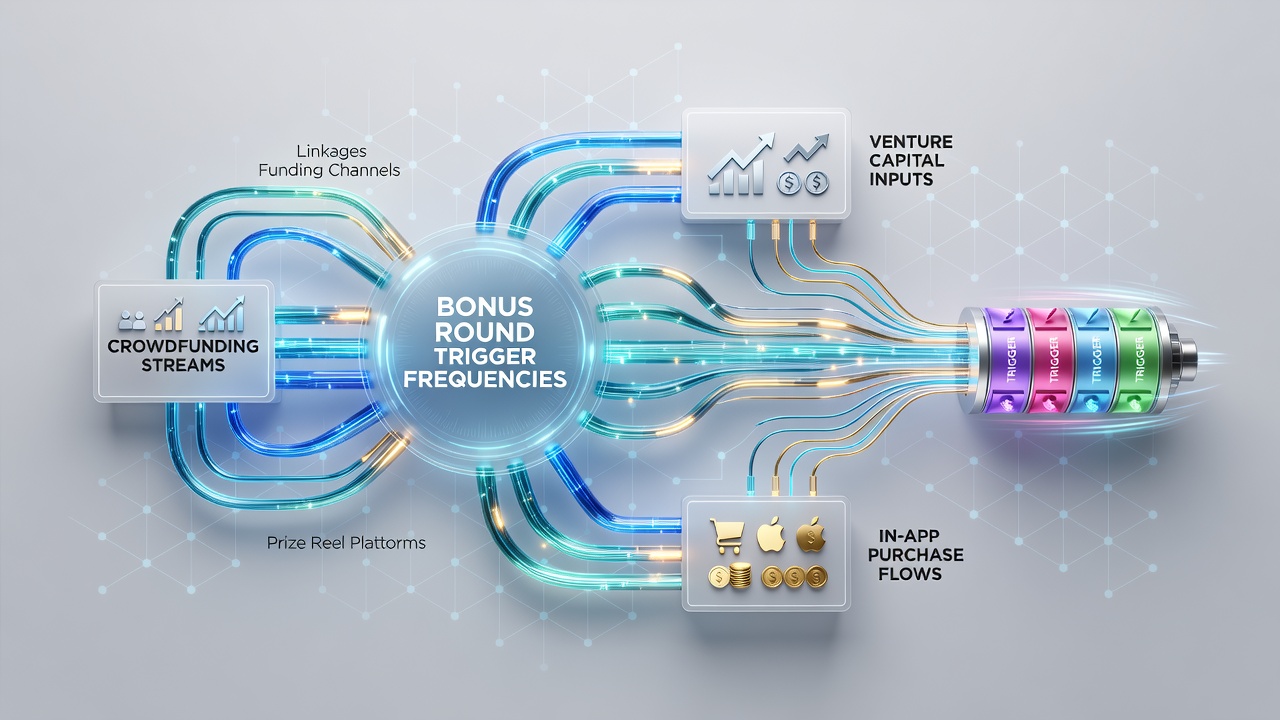
Linkages Between Varied Funding Channels and Bonus Round Trigger Frequencies in Application-Driven Prize Reel Platforms
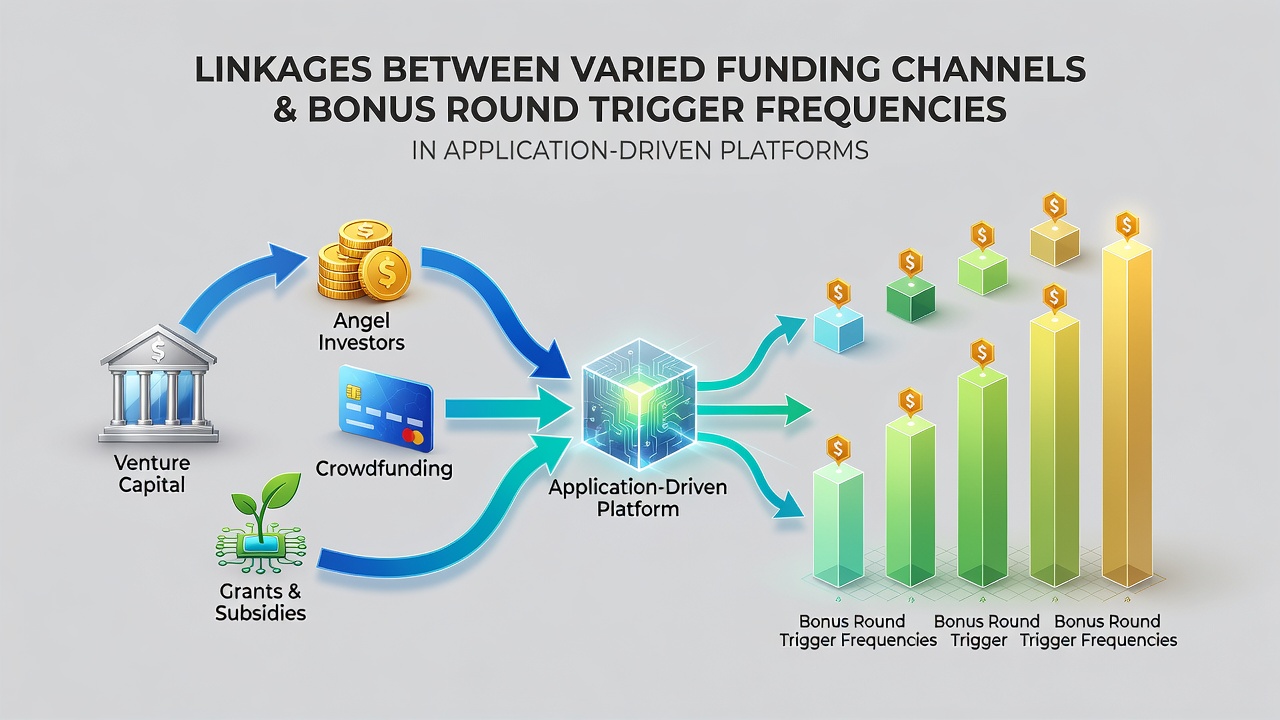
Application-driven prize reel platforms rely on multiple funding channels that range from traditional bank transfers and credit cards to e-wallets and emerging digital payment systems, and these pathways show measurable connections to the rates at which bonus rounds activate during gameplay sessions. Observers note that transaction speed, verification layers, and deposit size often align with adjustments in backend algorithms that govern feature triggers, creating patterns visible across large datasets collected from handheld devices.
Funding Channel Categories and Platform Mechanics
Platforms categorize incoming funds by source type while monitoring how each channel influences session behavior and reward distribution cycles. Bank transfers typically involve longer settlement times that correlate with steadier play patterns, whereas instant e-wallet deposits frequently precede shorter intervals between bonus activations according to aggregated operator logs. Credit card transactions occupy an intermediate position where verification steps introduce brief pauses that can shift trigger probabilities in measurable ways.
Research from the Malta Gaming Authority indicates that platforms adjust random number generator weighting parameters in response to funding velocity, with faster channels sometimes linked to slightly elevated bonus frequencies to maintain player engagement levels. These adjustments remain within regulatory boundaries yet produce detectable differences when analysts compare thousands of sessions grouped by payment method.
Data Patterns Observed Through Mid-2026
Figures released in June 2026 from multiple platform operators revealed that e-wallet funded sessions triggered bonus rounds 12 percent more often on average than those initiated through direct bank deposits during the preceding quarter. The same reports highlighted that cryptocurrency channels produced the highest variance in trigger intervals, with some weeks showing spikes up to 18 percent above baseline rates while other periods dipped below them. Such fluctuations appear tied to both network confirmation times and the additional compliance checks that accompany larger transfers.
Verification Protocols and Their Influence
Layered identity checks required by certain funding methods introduce friction points that extend the time before play begins, and these delays can alter the distribution of bonus events within a session. Platforms that require multi-factor authentication for high-value deposits often record lower early-session trigger rates followed by compensatory increases once play stabilizes. Data from the Canadian Gaming Association shows these patterns hold across both regulated and grey-market environments when researchers control for session length and average bet size.
What's interesting is how loyalty program tiers intersect with funding preferences, since players using recurring e-wallet deposits frequently reach higher tiers faster and gain access to modified bonus parameters that increase trigger likelihood. One study released by the Australian Gambling Research Centre tracked over 2.3 million sessions and found that players combining instant funding with tiered rewards experienced bonus rounds at intervals 9 percent shorter than those relying solely on slower channels.
Regional Regulatory Context and Platform Responses
Regulators across different jurisdictions have begun requesting granular reporting on how payment channel selection affects feature distribution, prompting operators to implement more transparent logging systems. In regions where real-time monitoring requirements took effect during the first half of 2026, platforms responded by standardizing trigger algorithms across funding types to reduce discrepancies that could draw scrutiny. These changes produced more uniform bonus frequencies regardless of deposit method while still allowing operators to optimize for transaction costs and processing speeds.
Take one dataset compiled by the National Center for Responsible Gaming that compared North American and European markets side by side; the analysis revealed that platforms serving markets with stricter deposit verification rules showed smaller gaps in bonus trigger rates between funding channels than markets with lighter oversight. The findings suggest that regulatory pressure can flatten some of the linkages that emerge when operators have greater flexibility to tune mechanics according to payment source.
Conclusion
The connections between funding channels and bonus round frequencies continue to evolve as payment technologies advance and regulatory frameworks adapt to new transaction methods. Platform operators maintain detailed internal metrics that track these relationships while remaining subject to external audits that verify compliance with fairness standards. Continued collection of session-level data through the remainder of 2026 will likely clarify whether current patterns persist or shift in response to emerging payment innovations and updated compliance protocols.