Macau's Top Finance Official Tai Kin Ip Resigns: Spotlight on the $30 Billion Gaming Empire's Leadership Shift
Written by Morgan Powell · Apr 18, 2026

Macau's Top Finance Official Tai Kin Ip Resigns: Spotlight on the $30 Billion Gaming Empire's Leadership Shift
The Sudden Departure of a Key Figure in Macau's Economy
Tai Kin Ip, who served as Macau's Secretary for Economy and Finance, stepped down citing personal reasons, a move that caught observers off guard given his pivotal role in steering one of teh world's largest gambling markets. China's State Council approved the resignation on April 16, 2026, following a proposal from Chief Executive Sam Hou Fai, marking a swift transition in leadership for the region's financial helm. Authorities moved quickly to nominate a replacement for Beijing's approval, while Sam Hou Fai took on interim duties, ensuring continuity in overseeing policies that touch everything from tourism to the massive casino sector.
What's interesting here is how this resignation unfolds against Macau's recovery trajectory post-pandemic; the city, long dubbed the "Las Vegas of Asia," relies heavily on its gaming revenues, which Tai Kin Ip had managed since his appointment in late 2024. Data from recent fiscal reports shows gross gaming revenue climbing back toward pre-COVID peaks, with 2025 figures already surpassing $28 billion, so his exit arrives at a moment when stability matters most for operators and regulators alike.
Tai Kin Ip's Tenure: Navigating the Gaming Giant Since Late 2024
Appointed in late 2024, Tai Kin Ip stepped into a role demanding oversight of Macau's $30 billion gambling industry, a behemoth comprising six major concessionaires: Sands China, Wynn Macau, MGM China, SJM Holdings, Melco Resorts, and Galaxy Entertainment. These operators, bound by 10-year licenses renewed in 2022, generate the bulk of government revenue through taxes and fees, funding public services across the semi-autonomous region. During his roughly 18-month stint, Ip handled regulatory adjustments, including diversification pushes toward non-gaming attractions like entertainment venues and conventions, efforts aimed at broadening the economy beyond slots and tables.
Take Sands China, for instance, which runs properties like The Venetian Macao; under Ip's watch, it reported steady upticks in visitor numbers from mainland China, bolstered by eased travel restrictions. Similarly, Galaxy Entertainment expanded its phases with massive investments, while Wynn Macau focused on high-end resorts; Ip's office coordinated these developments alongside compliance with Beijing's anti-money laundering directives. Figures from the UNLV International Gaming Institute highlight how Macau's market share in global gaming hovered around 40% during this period, underscoring the weight Ip carried in daily operations and strategic planning.
And yet, personal reasons prompted the exit; such citations often signal behind-the-scenes pressures in high-stakes political roles, although details remain private per official statements. Observers note that Ip's background in finance, honed through prior government posts, equipped him well for tackling fiscal challenges like debt management for casino firms amid fluctuating VIP baccarat play.
The Approval Process and Beijing's Role in Macau Governance
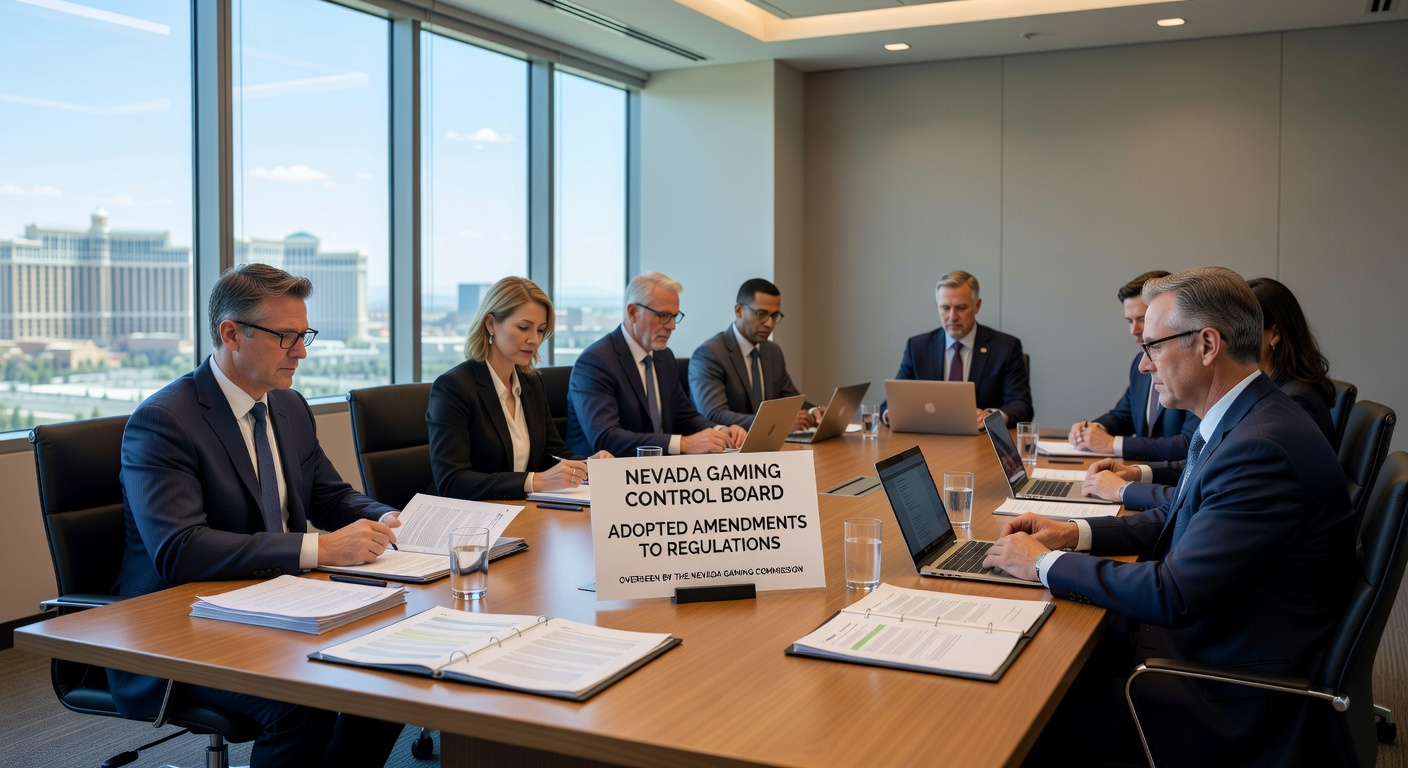
China's State Council, as the central approving body for senior Macau appointments, greenlit Ip's resignation without delay, reflecting the streamlined protocol under the "one country, two systems" framework. Chief Executive Sam Hou Fai, elected in 2022, proposed the move, a step that aligns with constitutional requirements for such changes; this ensures Beijing retains oversight while local leaders handle day-to-day nominations. Now, with a replacement in the works, the focus shifts to who might fill the vacancy, potentially someone versed in both economic policy and gaming specifics.
Sam Hou Fai's interim role means he'll juggle his executive duties with finance portfolio responsibilities, a common practice in Macau's history of leadership transitions; past examples include brief overlaps during 2019's secretary changes amid economic slumps. This setup buys time for vetting, as nominees undergo scrutiny for alignment with national priorities like sustainable growth and security.
Major Casino Operators Under the Spotlight
Sands China, a subsidiary of Las Vegas Sands, dominates with integrated resorts drawing millions annually; Ip's policies influenced its expansion plans, including new hotel towers set for 2027 openings. Wynn Macau, known for luxury, navigated license renewals under his tenure, committing billions to upgrades that blend gaming with arts and culture. MGM China, in partnership with Pansy Ho, emphasized mass-market growth, reporting record quarterly revenues in early 2026.
SJM Holdings, the lone local operator, shifted from traditional casinos to modern venues like Grand Lisboa Palace; Melco Resorts pushed City of Dreams expansions, while Galaxy Entertainment's StarWorld and Broadway properties catered to diverse demographics. Collectively, these firms paid over HK$70 billion in taxes last year, per government data, fueling infrastructure projects from bridges to hospitals. Ip's departure leaves questions on continuity for upcoming audits and diversification mandates, which require 10% of resort space for non-gaming by license terms.
But here's the thing: the industry's resilience shines through; even with leadership flux, monthly gaming revenue for March 2026 hit $2.6 billion, up 15% year-over-year, as mainland tourists returned in droves via high-speed ferries and bridges.
Interim Leadership and the Path Forward for Nominations
With Sam Hou Fai at the interim helm, decisions on budget allocations and regulatory filings proceed apace; his experience as a former judge brings a steady hand to fiscal matters intertwined with gaming. The nomination process, typically spanning weeks, involves public consultation and Legislative Assembly input before State Council ratification, ensuring the new secretary aligns with visions for a "world tourism leisure center."
Experts who've tracked Macau's polity point out that such changes rarely disrupt operations; the Gaming Inspection and Coordination Bureau maintains daily enforcement, from chip tracking to junket oversight. Turns out, the real test comes in sustaining momentum as licenses near mid-term reviews in 2027, where performance metrics like non-gaming investment will factor heavily.
People often find these transitions reveal the depth of institutional knowledge; Ip's team, including deputies in economy and transport, steps up seamlessly, handling everything from hotel occupancy reports to international trade pacts.
Context of Macau's Gaming Dominance and Economic Ties
Macau's gambling sector, legalized in 2002, eclipsed Las Vegas by revenue within a decade, peaking at $45 billion pre-pandemic; Ip's era saw deliberate rebounds through VIP recovery and family tourism. The Australian Gambling Research Centre notes in recent analyses how Macau's model influences Asia-Pacific peers, with policies under Ip promoting responsible gaming limits and tech integrations like facial recognition for entry.
So, while personal reasons drive the change, the machinery hums on; casino stocks dipped fractionally on the news but rebounded within hours, signaling market confidence. Observers note the writing's on the wall for a quick replacement announcement, likely by May 2026, to align with fiscal year-end planning.
Wrapping Up the Leadership Pivot in Macau's Gaming World
This resignation underscores the fluid nature of top roles in Macau's unique governance blend, where Beijing's nod shapes local trajectories yet operations persist robustly. Tai Kin Ip's exit after steering the $30 billion industry since late 2024 paves the way for fresh oversight, with Sam Hou Fai bridging the gap and a nominee pending. As the nomination advances, all eyes stay on how this shift influences the concessionaires—Sands China, Wynn Macau, MGM China, SJM Holdings, Melco Resorts, Galaxy Entertainment—and their drive toward diversified, sustainable growth. The ball's now in Beijing's court, but Macau's gaming engine keeps rolling, much like it always has through past upheavals.