Regional Variations in Transaction Processing Shape Mobile Jackpot Incentive Structures
Written by Casey Wagner · Jul 20, 2026
Regional Variations in Transaction Processing Shape Mobile Jackpot Incentive Structures
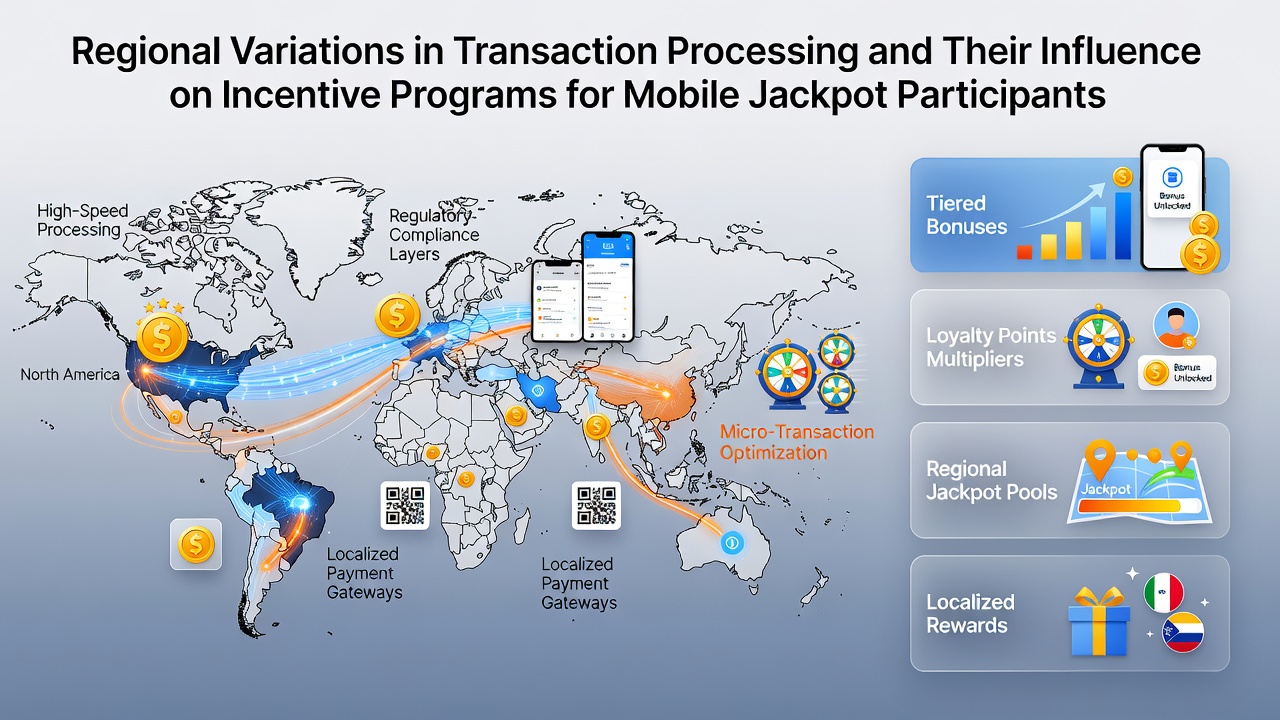
Transaction processing methods vary significantly across geographic regions, and these differences directly affect how mobile jackpot operators design and deliver incentive programs. Observers note that payment rails, regulatory timelines, and settlement speeds create distinct environments where bonus structures must adapt to local conditions rather than follow a single global template.
Core Differences in Payment Infrastructure
North American markets often rely on established banking networks and card processors that complete transactions within one to three business days, while certain Asian jurisdictions utilize real-time systems that settle funds in seconds. European operators face additional layers from cross-border rules that require extra verification steps before funds reach participant accounts. These variations determine whether incentive programs can offer instant prize top-ups or must schedule rewards over multiple days.
Data from the Ontario Lottery and Gaming Corporation shows that real-time processing corridors support higher-frequency reward triggers compared with slower settlement regions. In contrast, areas with batch processing schedules align incentive releases with weekly or bi-weekly cycles to match available funds.
Regulatory Timelines and Incentive Timing
Rules governing fund movement influence when operators may credit mobile jackpot incentives. Jurisdictions that mandate pre-approval for large transfers require longer lead times between a participant deposit and any matching reward or jackpot contribution. Shorter approval windows allow operators to link incentives more closely to individual play sessions.
Research indicates that regions enforcing strict anti-money-laundering checks before settlement experience delayed bonus activation, which in turn shifts program design toward loyalty milestones rather than immediate deposit matches. Meanwhile, markets with streamlined verification permit instant reward layering that ties directly to progressive pool contributions.
Impact on Progressive Pool Mechanics
Progressive jackpot pools accumulate through small percentages of each wager, yet the speed at which those contributions reach the central system depends on local transaction rails. Faster corridors enable more frequent pool updates that participants can view in real time on their devices, while slower systems produce delayed displays that reduce perceived immediacy of incentive growth.
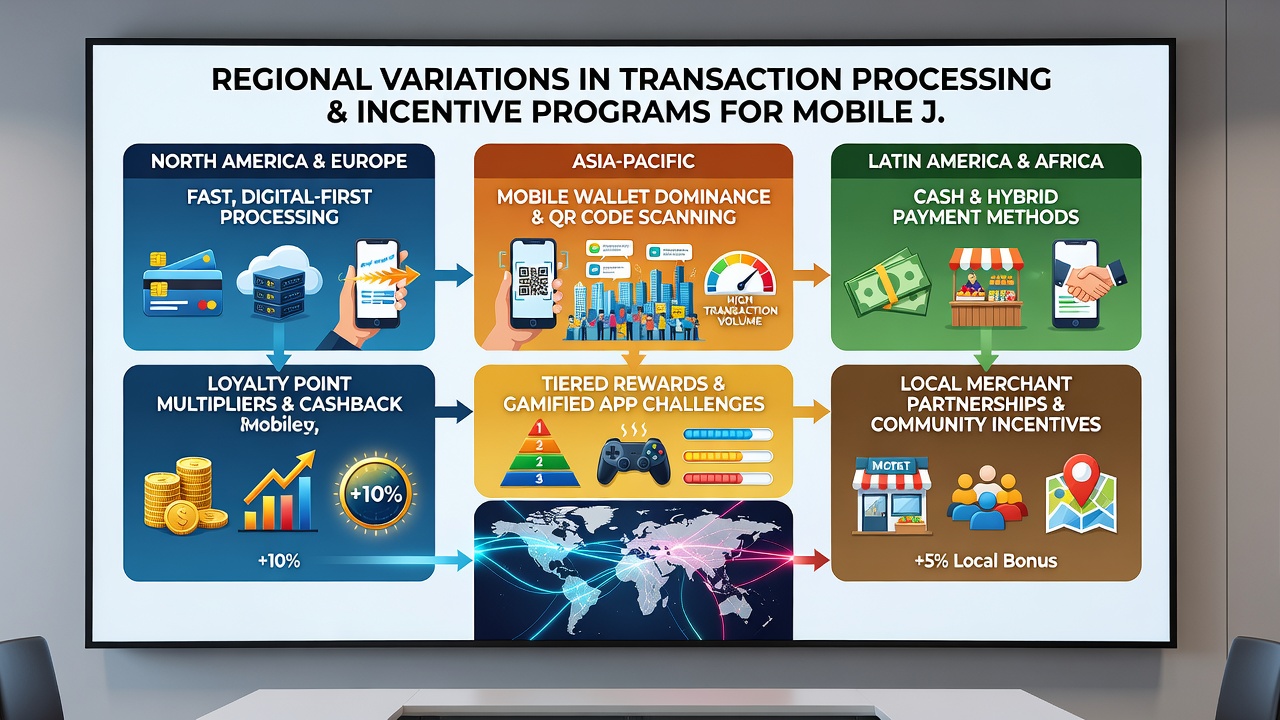
Operators in high-speed regions often advertise live pool counters as part of their incentive messaging, whereas counterparts in slower areas emphasize cumulative weekly totals instead. This distinction appears in program materials distributed through mobile applications serving different territories.
Examples Across Jurisdictions
In Australia, the Queensland Office of Liquor and Gaming Regulation oversees frameworks that tie transaction confirmation times to specific reporting intervals, leading operators to structure mobile jackpot incentives around monthly loyalty tiers rather than daily deposit bonuses. Canadian provinces with centralized clearing systems demonstrate quicker fund movement that supports daily reward stacking for active participants.
One study released by the iGaming Ontario in early 2026 documented how same-day settlement corridors correlated with increased participation in tiered incentive programs during the preceding quarter. Similar patterns emerged in select U.S. states where intrastate processing speeds allowed operators to synchronize jackpot contributions with real-time player activity logs.
July 2026 Developments
By July 2026 several mobile platforms had adjusted incentive calendars to reflect updated settlement requirements in multiple jurisdictions. Reports from industry monitoring groups noted that operators introduced region-specific reward schedules that accounted for both transaction velocity and local compliance calendars. These adjustments produced measurable differences in average time between deposit and incentive credit across participant cohorts.
Conclusion
Regional transaction processing differences continue to shape the architecture of mobile jackpot incentive programs through their effects on timing, visibility, and reward frequency. Operators adapt program mechanics to align with local payment rails and regulatory windows, resulting in varied participant experiences depending on geographic location. Continued monitoring of settlement technologies and compliance frameworks will likely drive further refinements in how incentives connect to progressive prize pools worldwide.