Shifting Sands of Digital Wallets: How Instant Funding Fuels Progressive Prize Pools in Handheld Gaming Ecosystems
Written by Mara Keller · May 18, 2026
Shifting Sands of Digital Wallets: How Instant Funding Fuels Progressive Prize Pools in Handheld Gaming Ecosystems
Digital wallets have reshaped how players interact with handheld gaming platforms since their widespread adoption accelerated in recent years, and the integration of instant funding mechanisms now plays a central role in building progressive prize pools that span multiple titles and regions. These systems connect user accounts directly to banking networks and payment processors so that deposits clear in seconds rather than minutes or hours, which in turn feeds larger volumes of wagers into shared jackpot structures.
Mechanics Behind Instant Funding and Prize Growth
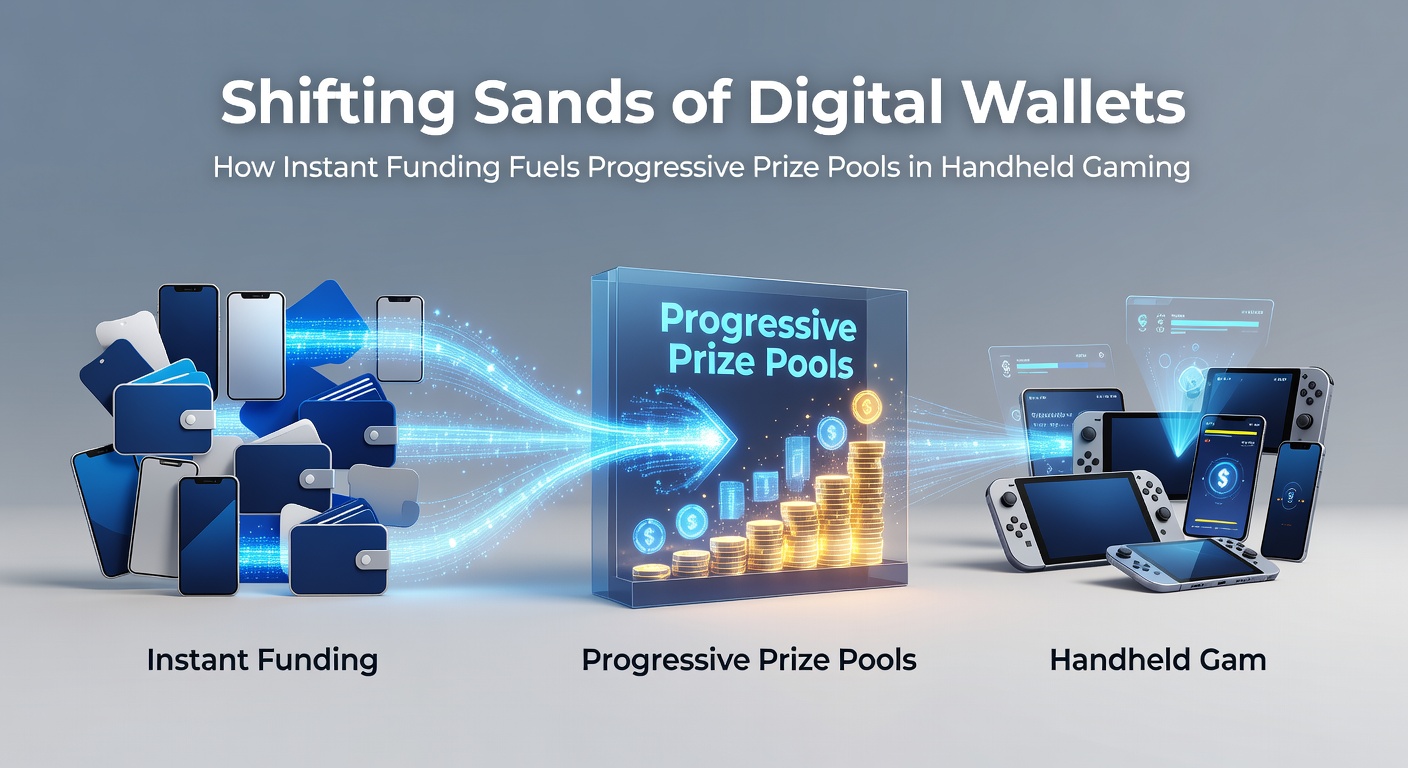
Progressive prize pools expand whenever a portion of each wager enters a central fund, and instant funding removes traditional friction points that once delayed player participation. When funds arrive immediately, users can join ongoing draws or contribute to escalating jackpots without waiting for transaction confirmations, and this continuous flow sustains momentum across handheld ecosystems that operate around the clock. Observers note that platforms employing digital wallets such as those linked to major mobile payment services record higher average session lengths because players avoid interruptions and maintain focus on gameplay.
Data from industry reports indicate that mobile gaming segments utilizing instant deposit features experienced measurable increases in pool contributions during the first quarter of 2026. The same reports highlight that regions with strong smartphone penetration, including parts of North America and Asia-Pacific markets, saw the fastest uptake of these wallet integrations. As a result, operators adjusted their algorithms to allocate slightly higher percentages of wagers to progressive funds, thereby amplifying prize sizes while maintaining compliance with local gaming statutes.
Regional Developments and Platform Adaptations
Regulatory bodies in different jurisdictions have responded to the rise of digital wallets by updating guidelines around transaction speed and player verification. In May 2026 several European markets implemented streamlined know-your-customer processes that align with instant funding protocols, allowing verified users to top up accounts rapidly while preserving audit trails. Similar adjustments appeared in Australian state frameworks where handheld gaming operators partnered with established financial institutions to ensure wallet transactions meet anti-money-laundering thresholds without introducing delays.
Platforms operating across multiple continents now synchronize progressive pools through centralized servers that accept contributions from various wallet providers. This technical setup permits a single jackpot to accumulate from players using different currencies and devices, which expands the potential audience and accelerates growth rates. One study released by a gaming research consortium found that cross-border pool participation rose noticeably after several major operators introduced multi-wallet support in late 2025.
Player Behavior and Ecosystem Effects
Users who rely on digital wallets tend to engage more frequently with progressive features because the barrier to entry remains low. Rather than planning deposits in advance, players can respond to notifications about rising jackpots by adding funds on the spot, and this responsiveness keeps prize pools dynamic. Research conducted by academic teams specializing in digital economies shows that instant funding correlates with broader demographic reach, including younger adults who prefer mobile-first financial tools over traditional banking apps.
Handheld gaming ecosystems benefit from this pattern through increased retention metrics and higher lifetime values per user. Operators track these trends via aggregated transaction data that reveals peak contribution periods occurring shortly after wallet balances update in real time. The resulting prize growth attracts additional attention from media outlets and content creators who cover large jackpot wins, further expanding the player base and sustaining the cycle of funding.
Technical Infrastructure Supporting the Shift
Behind the scenes, secure application programming interfaces link digital wallets to gaming servers, ensuring that each transaction updates both the player balance and the progressive meter simultaneously. Encryption standards and tokenization methods protect sensitive information while permitting the speed required for seamless play. Industry organizations such as the European Gaming and Betting Association have published technical briefs outlining best practices for maintaining system integrity during high-volume periods.
Developers continue to refine these connections by incorporating features like one-tap confirmations and biometric authentication, which reduce the steps needed to complete a deposit. These refinements matter because even minor delays can interrupt the flow of wagers into progressive structures, particularly during live events or time-limited promotions that draw large audiences.
Conclusion
The connection between instant funding through digital wallets and the expansion of progressive prize pools in handheld gaming has become a defining characteristic of the current ecosystem. As transaction technologies advance and regulatory frameworks adapt, the volume of contributions flowing into shared jackpots continues to rise, supported by data from sources including the American Gaming Association and independent research groups. This ongoing evolution shapes how operators design games, how players interact with platforms, and how prize structures scale across global markets.