Synergistic Effects of Tiered Loyalty Programs on No-Deposit Feature Access in Handheld Progressive Reel Systems
Written by Casey Wagner · Jun 4, 2026

Synergistic Effects of Tiered Loyalty Programs on No-Deposit Feature Access in Handheld Progressive Reel Systems
Handheld progressive reel systems combine mobile slot mechanics with accumulating jackpots that grow across networks of devices, while tiered loyalty programs structure player rewards according to activity levels, and no-deposit features grant access to spins or credits without initial funding, creating measurable interactions that researchers track through participation data. Operators integrate these elements so that higher loyalty tiers automatically expand eligibility for no-deposit options within the same progressive ecosystem, producing compounded participation rates that data sets from multiple jurisdictions record each quarter.
Core Components of Tiered Loyalty Structures
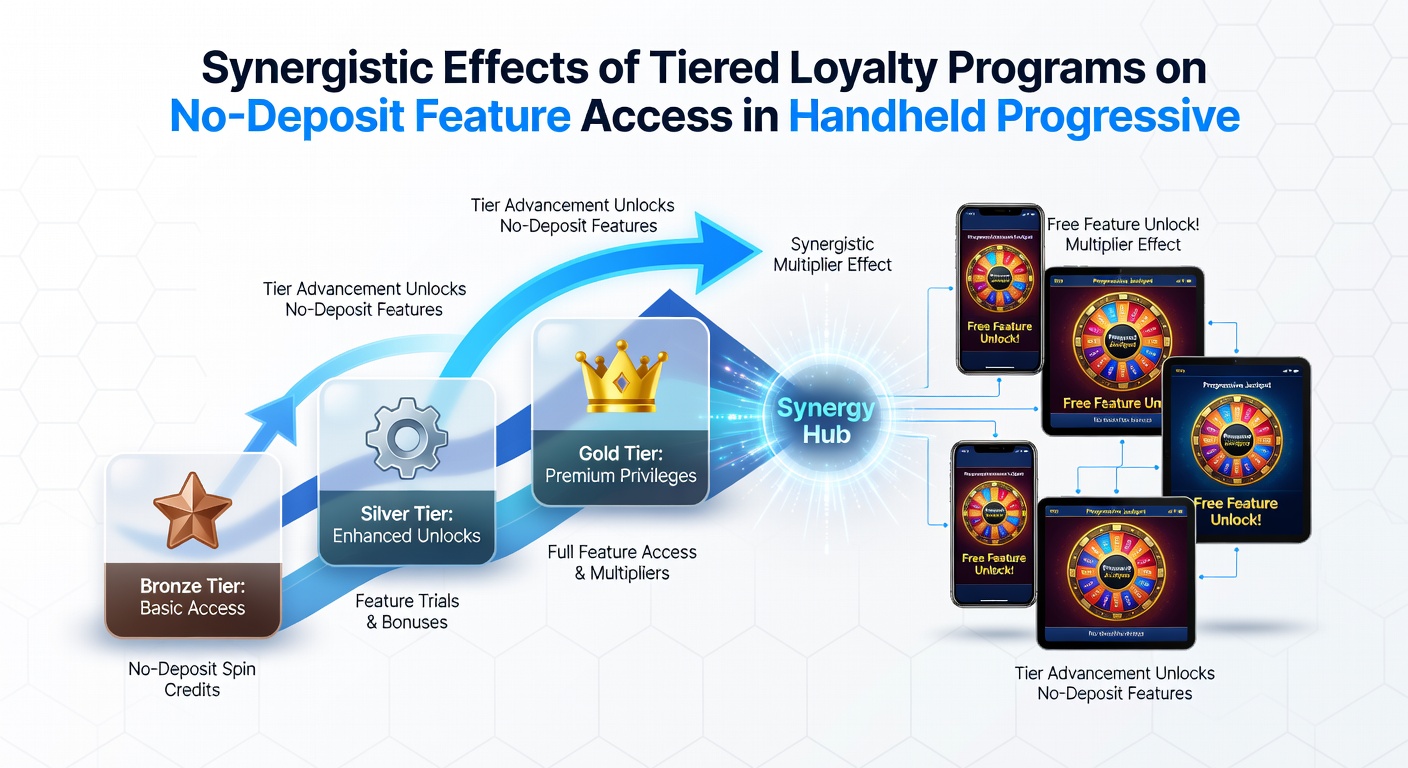
Tiered loyalty programs divide participants into ascending categories based on metrics such as wager volume, session frequency, and account tenure, wth each level unlocking incremental benefits that include enhanced no-deposit thresholds in progressive reel environments. Systems assign points through automated tracking modules that feed directly into eligibility algorithms, so that silver, gold, and platinum designations correlate with graduated limits on free credit amounts available for progressive jackpot pools. Observers note that these structures emerged from standard casino reward models yet adapted specifically for portable devices where session data transmits in real time to central servers.
Program architecture typically includes entry-level tiers that permit limited no-deposit spins on lower-stake progressive titles, while mid-tier and top-tier classifications extend both quantity and denomination access, allowing players to engage larger prize pools without separate deposits. Software platforms log these shifts through timestamped events that link loyalty status changes to subsequent feature activations, generating audit trails that regulatory bodies review during compliance checks.
No-Deposit Mechanisms in Progressive Mobile Systems
No-deposit features operate by crediting player accounts with fixed or variable amounts usable exclusively on progressive reel games, where each spin contributes a percentage to a shared jackpot meter visible across handheld interfaces. These credits carry expiration timers and wager requirements calibrated to prevent immediate withdrawal, yet they integrate with loyalty tier data so that qualifying accounts receive automatic top-ups aligned with their current status level. In June 2026, aggregated transaction logs from several North American networks showed that accounts at elevated tiers activated no-deposit credits at rates nearly double those recorded at base tiers during the same period.
Technical integration occurs through API connections between loyalty databases and game servers, enabling instant verification of tier status before any no-deposit round begins. Progressive meters continue to increment regardless of funding source, which means no-deposit spins from higher tiers contribute to the same accumulating pools that deposit-funded play supports, maintaining system-wide prize growth without segmentation by payment method.
Measured Interactions Between Loyalty Tiers and Feature Access
Studies conducted across multiple operator platforms reveal that the combination of tier advancement and no-deposit eligibility produces participation curves steeper than either element generates independently, with data sets indicating accelerated engagement once players cross into the second or third tier. These patterns appear because the system automatically scales no-deposit parameters upward, removing manual redemption steps that otherwise interrupt play flow on handheld devices. Figures released by the New Jersey Division of Gaming Enforcement documented consistent month-over-month increases in progressive reel activity traceable to tier-gated credit releases through the first half of 2026.
Algorithmic rules embedded in the handheld applications check loyalty status at the start of each session and adjust available no-deposit options accordingly, creating a feedback loop where continued play reinforces tier status while simultaneously unlocking larger credit pools. This linkage reduces friction for qualifying players yet maintains strict separation between promotional credits and deposited funds through separate ledger entries that feed into responsible gaming reporting modules.
Regional Data Patterns and Reporting Standards
Canadian provincial regulators, including those overseeing the Ontario Lottery and Gaming Corporation network, require operators to submit segmented reports that isolate no-deposit activity by loyalty tier within progressive mobile products. These filings show that higher-tier cohorts generate proportionally larger contributions to shared jackpot meters during periods when no-deposit credits remain active, reflecting the scaled access parameters built into the loyalty framework. Cross-border comparisons indicate similar directional trends although absolute volumes differ according to local player bases and device penetration rates.
System logs further demonstrate that tier resets or demotions, which occur when activity metrics fall below thresholds, produce corresponding reductions in no-deposit availability within the same 24-hour cycle, ensuring that access rights remain synchronized with current status. Such synchronization supports accurate forecasting models that operators use to project progressive pool liabilities tied to promotional credit issuance.
Conclusion
Integration of tiered loyalty programs with no-deposit features in handheld progressive reel systems generates documented synergies visible through participation metrics, credit utilization rates, and jackpot contribution patterns that multiple regulatory jurisdictions record. These interactions operate through automated status verification and scaled parameter adjustments that align player progression with expanded feature access while preserving distinct accounting for promotional and deposited funds. Ongoing data collection through 2026 continues to map how these combined mechanics influence overall system performance across portable gaming environments.