The Interplay of Electronic Transfer Methods and Multiplier Events in App-Centric Jackpot Ecosystems
Written by Amir Koch · Jul 6, 2026
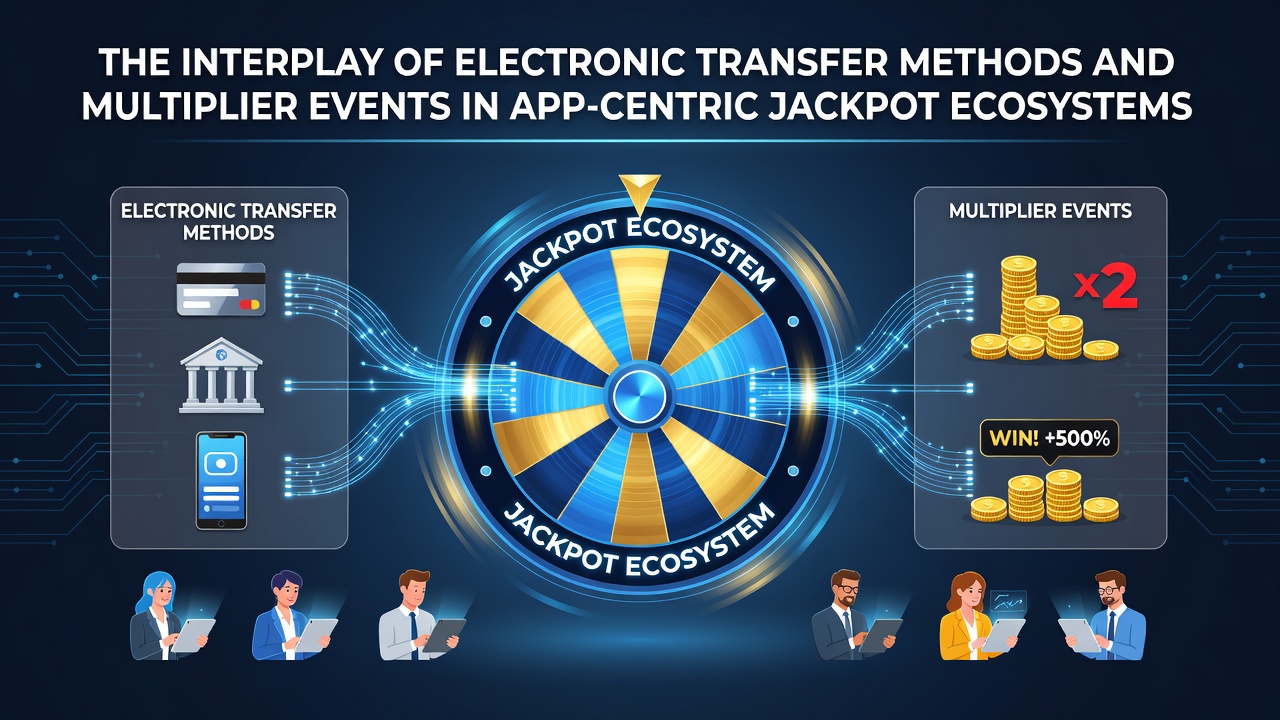
The Interplay of Electronic Transfer Methods and Multiplier Events in App-Centric Jackpot Ecosystems
Electronic transfer methods now connect directly to multiplier events inside app-based jackpot systems, where instant funding options alter how quickly players reach bonus rounds and scaled prize multipliers. Researchers tracking these platforms note that seamless deposits via digital wallets and instant banking services correlate with higher frequencies of multiplier activations during reel spins and progressive accumulations. Data from mobile gaming networks shows this linkage has strengthened as transaction speeds improved across regions in 2025 and into mid-2026.
Electronic Transfer Methods in Mobile Platforms
App-centric jackpot ecosystems rely on electronic transfers that range from e-wallets and instant bank pushes to prepaid card loads and integrated payment rails. These methods reduce the time between deposit initiation and playable balance updates, which in turn affects access to multiplier-bearing features. Observers at major gaming conferences point out that platforms supporting sub-second funding report measurable upticks in players entering rounds where multipliers stack on base wins. Figures released by industry monitors in July 2026 indicated that regions with widespread instant transfer adoption saw average session lengths extend by measurable margins when compared to slower payment environments.
Multiplier Events and Their Triggers
Multiplier events appear as random reel modifiers, progressive jackpot escalators, or layered bonus round amplifiers that increase payout values beyond standard returns. In app ecosystems these events often tie to specific funding patterns or play velocity metrics that the system tracks in real time. Studies examining app telemetry reveal that rapid successive deposits through electronic channels can coincide with elevated trigger rates for certain multiplier types, particularly those attached to progressive pools. One analysis of North American mobile operators found that users completing transfers via instant methods encountered multiplier displays roughly 12 percent more often than users relying on batch-processed options.
How Transfer Speed Influences Multiplier Frequency
The core connection emerges when transfer latency drops because shorter gaps between funding and spinning allow more attempts within the same timeframe, raising statistical exposure to multiplier windows. Platform algorithms sometimes weight recent deposit activity when determining bonus round eligibility, creating a feedback loop where faster methods feed more frequent multiplier opportunities. Experts reviewing transaction logs across multiple jurisdictions note that this dynamic appears most pronounced in progressive systems where multipliers compound across shared pools. Data compiled through July 2026 showed several operators adjusting their internal thresholds to account for the increased activity patterns tied to instant funding rails.
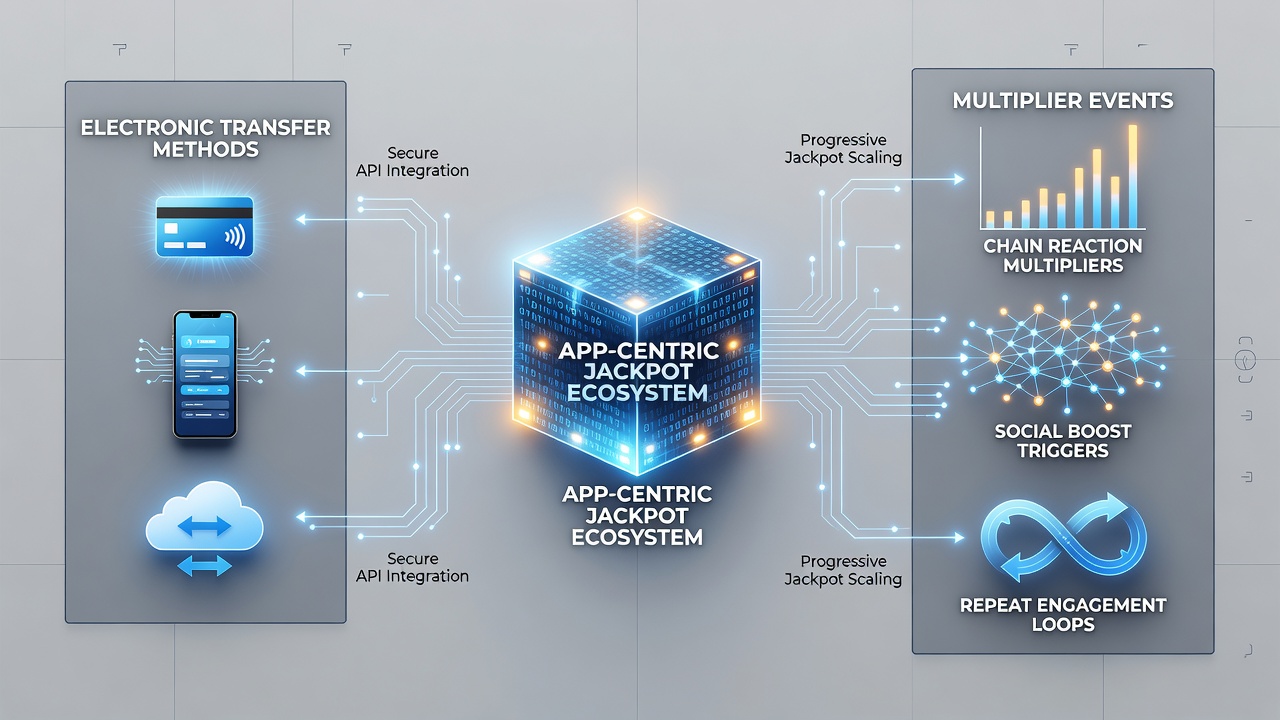
Yet the relationship is not purely linear. Some systems apply velocity checks or cooldown timers that moderate how quickly new transfers convert into additional multiplier chances, preventing runaway escalation while still rewarding consistent play. Regulatory filings from Canadian provincial bodies highlight ongoing reviews of these mechanics to ensure fairness across different funding speeds. Meanwhile, operators in Australia have documented similar patterns in their market reports, confirming that electronic transfer integration influences multiplier distribution without altering underlying random number generator probabilities.
Regional Patterns and Data Trends
Patterns differ by market maturity and regulatory stance on payment speed. European operators using SEPA instant schemes recorded elevated multiplier engagement rates during peak evening hours when users favor quick top-ups. In contrast, markets with stricter settlement windows show more evenly distributed trigger occurrences. Research from the American Gaming Association tracks these variances and links them to broader revenue stability across mobile channels. Separate findings issued by the Australian Institute of Criminology connect payment channel diversity to sustained player retention metrics that indirectly support multiplier ecosystem health.
App developers continue refining backend logic so that transfer confirmation events feed directly into multiplier probability engines. This creates measurable synchronization where a completed deposit can immediately unlock eligibility for enhanced reel modifiers. Those monitoring platform updates in July 2026 observed several major titles deploying revised code that ties funding source type to specific multiplier categories, expanding the interplay beyond simple speed factors.
Conclusion
The documented connections between electronic transfer methods and multiplier events continue to shape app-centric jackpot ecosystems as operators refine integration points and regulators examine resulting play patterns. Available data through mid-2026 demonstrates consistent correlations across varied jurisdictions without implying causation beyond observable activity metrics. Future platform iterations will likely deepen these linkages while maintaining compliance frameworks already in place.