Tracing Payment Processor Influences on Extended Play Feature Unlocks in Smartphone Prize Systems
Written by Casey Wagner · Jun 6, 2026
Tracing Payment Processor Influences on Extended Play Feature Unlocks in Smartphone Prize Systems
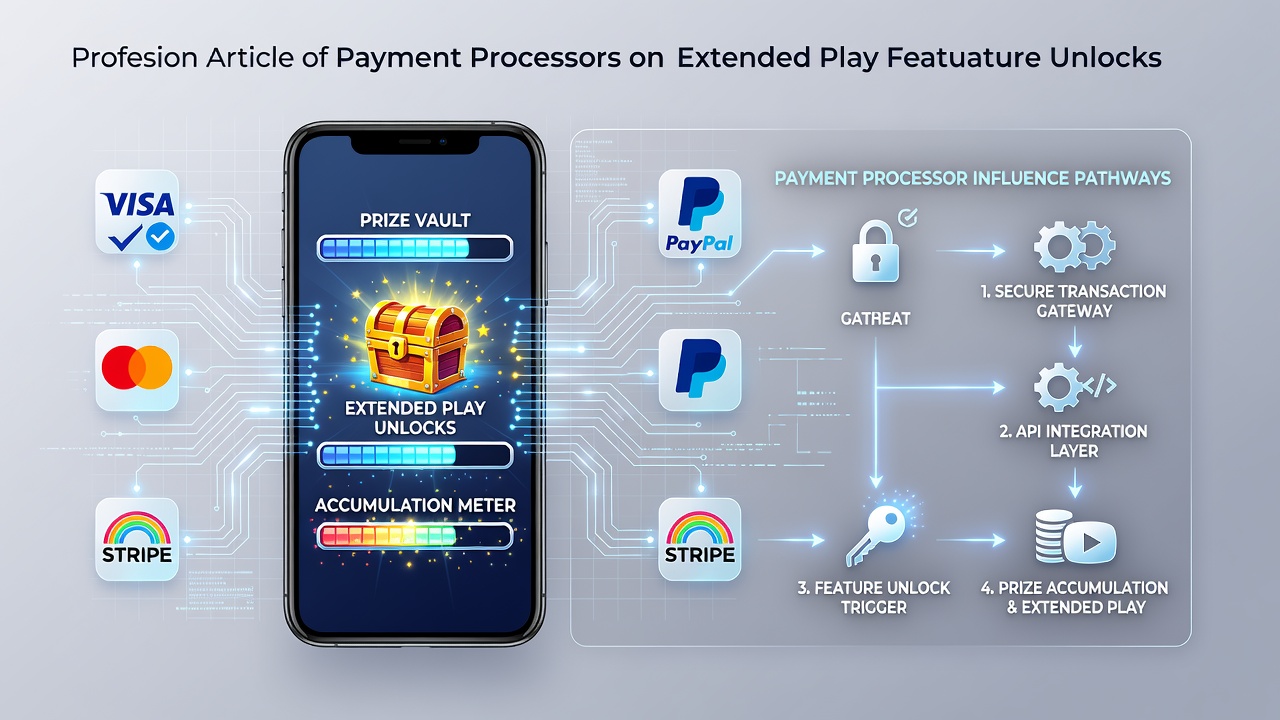
Payment processors connect directly to extended play feature unlocks in smartphone-based prize accumulation frameworks through transaction verification protocols, risk scoring algorithms, and compliance layers that determine when users gain access to additional rounds or bonus mechanics. These systems operate across mobile apps where prize pools build incrementally, and processors such as those handling credit card rails or digital wallet transfers supply the data signals that trigger or restrict feature availability. In June 2026, integration patterns show processors embedding API calls that check account status before releasing extended play sequences, creating a traceable chain from payment authorization to gameplay extension.
Core Mechanisms Linking Processors to Feature Access
Processors influence unlocks by routing transaction metadata through centralized compliance engines that evaluate velocity, amount, and geographic indicators before approving continued play credits. When a user initiates a deposit or transfer within a prize accumulation app, the processor returns a tokenized response that the framework interprets as permission for extended sequences, such as additional reel spins or tiered reward multipliers. Researchers at academic centers studying digital transaction flows have documented how these responses include flags that either permit or delay feature activation based on prior spending patterns.
Smartphone frameworks accumulate prizes through layered ledgers that update in real time, and payment processors supply the settlement confirmations that feed into those ledgers. Extended play features remain locked until the processor confirms funds have cleared without triggering fraud thresholds, a process that typically completes within seconds yet can extend to minutes during peak verification windows. Data from industry transaction logs reveals that processors apply dynamic scoring models updated quarterly, with June 2026 adjustments incorporating new machine learning parameters for mobile-specific behaviors like rapid session switching between apps.
Regional Regulatory Overlays and Processor Adaptations
Regulatory bodies across jurisdictions impose requirements that processors must satisfy before enabling extended play pathways. In Australia, oversight from the Australian Communications and Media Authority has prompted processors to include mandatory pause intervals in mobile prize apps, directly affecting how quickly accumulated credits convert into unlocked features. Canadian provincial frameworks similarly require processors to log cross-border transaction details that influence unlock timing for users in those markets.
European directives on electronic payments have led processors to embed consent checkpoints within the unlock flow, where users receive explicit prompts tied to payment authorization before extended play activates. These checkpoints create additional data points that smartphone frameworks use to adjust prize accumulation rates, ensuring compliance while maintaining session continuity. Observers tracking these adaptations note that processors coordinate with app developers to standardize message formats, reducing latency between payment approval and feature release.
Technical Integration Patterns in Mobile Ecosystems
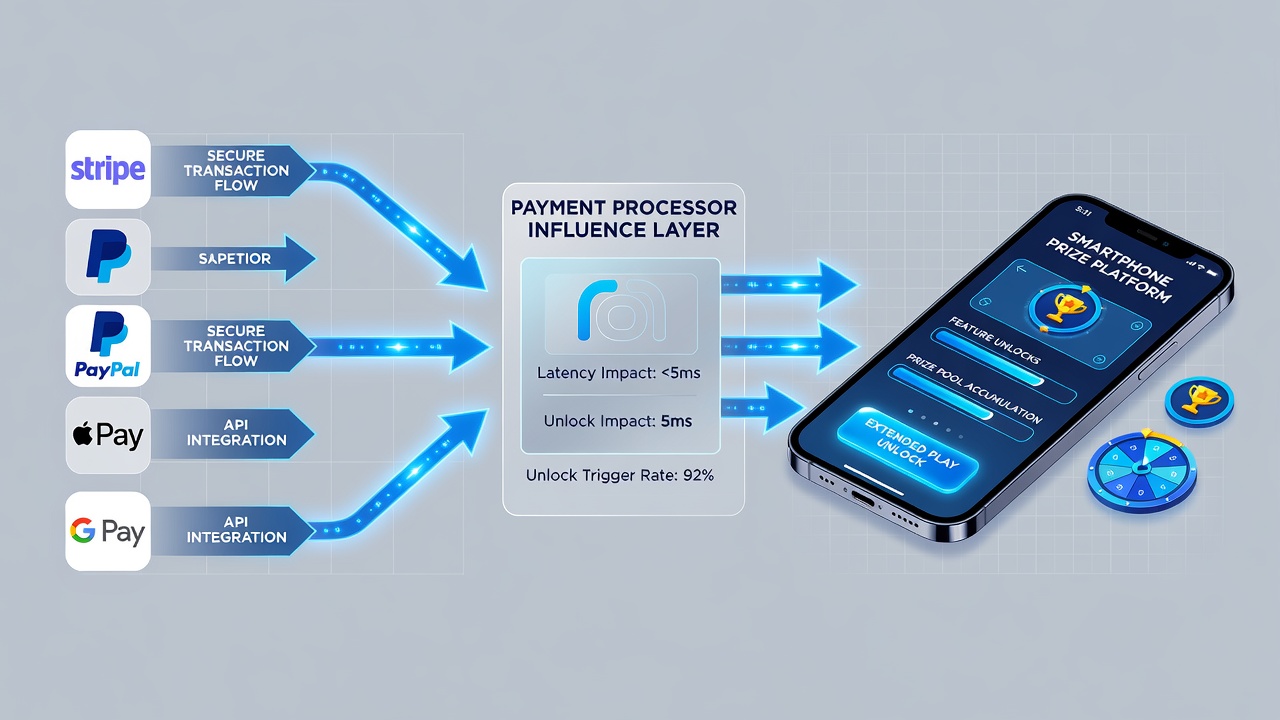
Smartphone operating systems facilitate processor integration through secure element hardware that stores payment tokens, allowing frameworks to query unlock eligibility without exposing full account details. Extended play features often depend on processor-issued session tokens that expire after a set duration, forcing teh framework to request fresh authorization if play extends beyond initial limits. This token-based approach appears in multiple documented implementations where prize accumulation continues uninterrupted once the processor validates the session.
API endpoints exposed by processors return structured responses containing fields for remaining credit limits and risk categories, which mobile frameworks map directly to feature gate logic. When accumulation thresholds are met, the system checks the latest processor response before granting access to extended sequences. Studies from research institutions examining mobile transaction security have traced how these mappings reduce unauthorized unlocks by cross-referencing processor data against device fingerprinting records.
Data Flows and Compliance Traceability
Traceability begins at the moment a payment request enters the processor network and extends through settlement stages that update the prize ledger. Each stage generates immutable logs that connect transaction identifiers to specific unlock events, enabling post-session audits required by various gaming oversight entities. In June 2026, enhanced logging standards adopted by several processors include timestamp granularity down to milliseconds, allowing precise reconstruction of how payment events influence extended play availability.
Frameworks maintain internal mapping tables that associate processor response codes with unlock states, and updates to these tables occur when processors revise their risk models. Such revisions often stem from broader industry data sharing initiatives coordinated through organizations like the American Gaming Association, which aggregates anonymized transaction patterns across member networks. The resulting adjustments propagate to smartphone apps within weeks, altering the conditions under which extended features become accessible.
Conclusion
Payment processor influences on extended play unlocks within smartphone prize accumulation frameworks rest on verifiable transaction signals, regulatory compliance layers, and standardized API interactions that govern feature availability. Documentation from multiple sources, including reports issued by the American Gaming Association and transaction analyses published through the International Gaming Technology Association, shows consistent patterns in how processor responses shape access to extended sequences. These connections continue to evolve with quarterly model updates and regional policy shifts, maintaining a direct line from payment authorization to prize framework behavior.