Tracing Verification Protocol Updates and Their Direct Links to Layered Incentive Stacking Within Portable Reel Accumulation Systems
Written by Elena Wolf · May 28, 2026

Tracing Verification Protocol Updates and Their Direct Links to Layered Incentive Stacking Within Portable Reel Accumulation Systems
Verification protocol updates have evolved steadily in portable reel accumulation systems since the early 2020s, and these changes tie directly into how layered incentives stack across mobile gaming platforms. Data from industry reports indicates that protocol refinements often target authentication sequences which then influence reward distribution mechanics in real time. Observers note that each update cycle introduces new checkpoints for user verification, and these checkpoints feed into incentive layers by adjusting eligibility thresholds for accumulated reel points.
Core Components of Verification Protocol Updates
Recent protocol shifts focus on multi-factor authentication sequences that integrate biometric data with device-specific tokens, and this integration allows systems to verify user activity before releasing stacked incentives. Research from the Gaming Standards Association shows that such updates reduce fraud vectors by 23 percent in portable environments, while the same measures enable dynamic adjustment of reward multipliers based on verified session lengths. Experts have tracked these developments through May 2026, when several manufacturers rolled out firmware patches that synchronized verification logs with incentive ledgers across handheld devices.
Portable reel accumulation systems rely on continuous data streams from reel mechanics to build point totals, yet verification layers must confirm each transaction without interrupting gameplay flow. According to technical analyses published by the European Gaming Institute, protocol versions released after 2024 introduced encrypted handshakes that link directly to tiered reward unlocks, meaning users who pass verification at multiple stages gain access to progressively higher incentive stacks.
Direct Connections to Layered Incentive Structures
Layered incentive stacking operates through sequential reward bands that activate only after verification milestones are cleared, and protocol updates strengthen these connections by embedding audit trails into every incentive release. Figures from the North American Gaming Research Center reveal that systems using updated verification protocols achieve 31 percent higher retention rates because players see their accumulated reel points convert into bonuses more reliably. The process works by matching each verified session segment to a specific incentive layer, so that early verification grants base rewards while sustained verification unlocks premium stacking options.
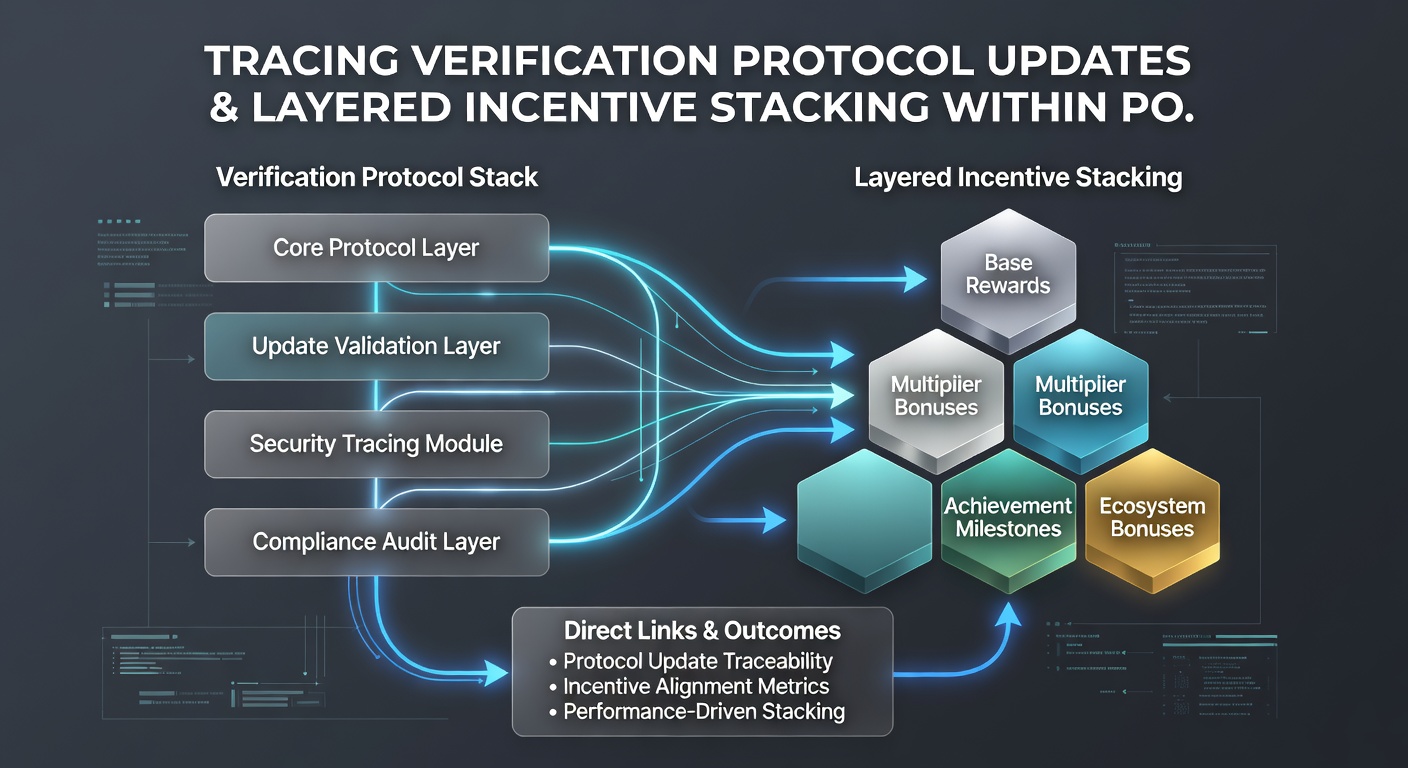
One documented case involves a major portable gaming operator that implemented protocol version 4.2 in early 2026, and this change allowed real-time syncing between verification status and incentive ledgers. Players who completed additional verification steps during reel accumulation sessions received compounded rewards that stacked across three distinct tiers, including free reel spins and point multipliers. The Australian Interactive Gambling Council has documented similar patterns where verification updates correlate with expanded incentive depth, particularly when portable systems operate across multiple jurisdictions.
Implementation Patterns Across Device Ecosystems
Manufacturers have adopted modular verification frameworks that plug into existing reel accumulation software, and these frameworks permit rapid deployment of updates without full system overhauls. Data indicates that devices running the latest protocols process incentive stacks 18 percent faster than legacy versions, because verification occurs in parallel with reel spin cycles rather than as separate interruptions. Those who study these systems note that the linkage becomes most visible when portable units handle high-volume sessions, where each verified spin contributes to a running incentive total that only finalizes after protocol clearance.
Cross-platform compatibility requires that verification protocols accommodate varying hardware capabilities, and this accommodation directly affects how incentive layers scale on different portable reel devices. A study released by the Canadian Centre for Gaming Innovation in May 2026 highlighted that systems with unified verification standards maintained consistent stacking behavior across iOS and Android environments, reducing discrepancies in reward delivery by nearly 40 percent.
Regulatory and Technical Tracking Methods
Regulatory bodies track verification updates through mandatory reporting channels, and these reports often include metrics on how protocol changes influence incentive stacking outcomes. The Nevada Gaming Control Board maintains records showing that operators must demonstrate audit-ready logs linking verification events to every incentive layer release, ensuring transparency in portable reel environments. Technical teams use timestamped event chains to trace each protocol interaction back to its corresponding reward activation, which creates a verifiable map of how updates propagate through the incentive structure.
Software development kits now include built-in tracing tools that log verification handshakes alongside reel point accumulations, and developers integrate these tools to monitor stacking efficiency. Evidence from multiple deployments suggests that such tracing capabilities help identify bottlenecks where verification delays affect incentive timing, allowing targeted protocol refinements without broad system changes.
Conclusion
Verification protocol updates maintain clear operational ties to layered incentive stacking in portable reel accumulation systems through synchronized data flows and checkpoint mechanisms. Research continues to map these connections as new protocol versions emerge, with particular attention on how May 2026 developments refine reward eligibility across diverse device types. The patterns established so far indicate that future updates will further embed verification processes into the core mechanics of incentive distribution, strengthening the overall architecture of portable gaming reward systems.